Understanding Deep Cycle Batteries
What Is a Deep Cycle Battery?
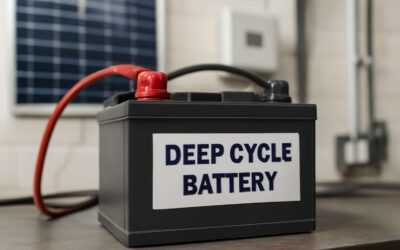
Deep cycle batteries are the backbone of renewable energy systems, marine applications, and off-grid setups. Unlike traditional car batteries that deliver quick bursts of power, deep cycle batteries are designed to be deeply discharged and still perform reliably. This makes understanding deep cycle battery life essential for maximizing their longevity and efficiency.
What exactly is a deep cycle battery? It’s a type of lead-acid or lithium-ion battery built to withstand repeated deep discharges. This resilience comes from thicker plates and a different internal design, enabling the battery to provide sustained power over long periods. For those relying on solar power or backup systems, knowing how long these batteries last can make all the difference.
- Discharge depth
- Maintenance routine
- Operating temperature
- Charging practices
All these factors influence deep cycle battery life, determining how many cycles they can endure before needing replacement. When properly maintained, a high-quality deep cycle battery can last several years, delivering dependable energy when it’s needed most. Understanding these nuances helps users optimize performance and extend the life of their investment.
Types of Deep Cycle Batteries
In the labyrinth of energy storage, understanding the nuances of deep cycle battery types is paramount. These batteries aren’t monolithic; they come in a fascinating array of configurations, each tailored to specific demands and environments. The most common variants include lead-acid deep cycle batteries, renowned for their robustness and affordability, and lithium-ion deep cycle batteries, celebrated for their longevity and lightweight design. Within these categories, distinctions emerge that profoundly influence deep cycle battery life, such as plate thickness, chemical composition, and internal architecture.
For example, absorbed glass mat (AGM) and gel batteries—both subtypes of lead-acid technology—offer different advantages and challenges that impact durability. AGM batteries excel in providing high surge currents, but gel batteries tend to withstand deep discharges better, thus prolonging their service life. When selecting a deep cycle battery, understanding these subtleties can mean the difference between a system that endures decade-long cycles or one that falters prematurely.
- Lead-acid deep cycle batteries
- Lithium-ion deep cycle batteries
- AGM (Absorbed Glass Mat) batteries
- Gel deep cycle batteries
Each type embodies a unique blend of resilience and vulnerability, shaping the trajectory of deep cycle battery life in diverse applications—from off-grid solar installations to marine environments. Recognizing these distinctions is essential for anyone committed to maximizing their energy investment in South Africa’s dynamic landscape.
Common Uses of Deep Cycle Batteries
Deep cycle batteries are the silent workhorses powering South Africa’s off-grid dreams and marine adventures. Their resilience under relentless use transforms fleeting moments into enduring memories—whether fueling a solar system at dawn or keeping a boat afloat during stormy nights. These batteries are not mere repositories of energy; they are the heartbeats of sustainable living, crafted to withstand the demanding cycles of discharge and recharge.
In the intricate dance of energy storage, understanding the common uses of deep cycle batteries reveals why their longevity is so crucial. From renewable energy setups to recreational vehicles, their role is both vital and varied. By appreciating how each application demands specific characteristics—such as deep cycle battery life—users can select the perfect match for their needs. For example, solar installations thrive on batteries that endure prolonged deep discharges, while marine environments favor resilient, vibration-resistant models.
- Off-grid solar power systems rely heavily on long-lasting deep cycle batteries to maximize energy harvest and minimize replacement costs.
- Recreational vehicles depend on these batteries for reliable power during extended travels across South Africa’s rugged terrains.
- Marine vessels utilize deep cycle batteries to ensure steady power, even in turbulent weather, safeguarding both navigation and comfort.
Understanding these common uses underscores the importance of choosing a deep cycle battery that marries durability with performance—because in the realm of energy storage, longevity is not just a feature; it is the foundation of trust and efficiency.
Factors Affecting Deep Cycle Battery Life
Depth of Discharge (DoD)
In the realm of energy storage, the longevity of a deep cycle battery hinges on more than just its brand or capacity; it’s intricately tied to the depth of discharge (DoD) — a subtle yet powerful determinant. Research indicates that regularly discharging a battery beyond 50% significantly accelerates its degradation, shortening the overall deep cycle battery life. This phenomenon underscores a vital truth: the more deeply a battery is drained, the less enduring its service becomes.
Understanding the factors that influence DoD is crucial for optimizing performance. For instance, frequent deep discharges—approaching 80% or more—can drastically diminish the lifespan of your deep cycle battery. Conversely, maintaining a shallower DoD can preserve capacity and delay the inevitable wear and tear. Often, users overlook the cumulative toll that repeated high DoD levels exact on the battery’s internal chemistry, leading to premature failure and costly replacements.
To illustrate, consider this list of practices that can impact deep cycle battery life:
- Regularly exceeding 50% DoD
- Operating in extreme temperatures, especially high heat
- Allowing the battery to remain in a discharged state for extended periods
- Neglecting proper charging routines, such as overcharging or undercharging
In South Africa’s demanding climate, these factors become even more pronounced, challenging users to find a delicate balance between capacity utilization and longevity. Ultimately, understanding and managing the depth of discharge is paramount in safeguarding the resilience and lifespan of your deep cycle battery, ensuring it remains a steadfast power source amid the dynamic demands of daily life.
Charging Practices
In the shadowed corridors of power storage, the way a deep cycle battery is charged can spell the difference between enduring vitality and an untimely demise. A misstep in charging practices can quietly erode its deep cycle battery life, leaving it a ghost of its former self. The darkness of neglect, such as overcharging or undercharging, gnaws at the delicate chemistry within, hastening degradation and shortening its lifespan.
To preserve the haunting resilience of your deep cycle battery, meticulous care must be taken. Consistently applying proper charging routines—using the correct voltage, avoiding extreme temperatures, and ensuring a full, balanced charge—can extend its spectral service life. Here are some essential practices:
- Utilize a high-quality charger designed for deep cycle batteries
- Avoid overcharging to prevent thermal stress and internal damage
- Ensure the battery is fully charged before prolonged disuse
In South Africa’s unforgiving climate, where heat and humidity threaten to accelerate decay, these precautions become even more vital. Proper charging routines are the silent guardians of deep cycle battery life, ensuring it remains a steadfast sentinel amidst the relentless march of time and nature’s fury.
Temperature Impact
Temperature is a silent but relentless adversary to deep cycle battery life. In South Africa’s scorching summers and unpredictable weather patterns, heat can subtly accelerate chemical reactions within the battery, leading to faster degradation. Conversely, frigid conditions suppress chemical activity, causing the battery to underperform and reducing its overall lifespan. It’s a paradox that underscores the intense fragility of these energy reservoirs.
High temperatures, particularly above 30°C, can induce thermal stress, swelling internal components, and hastening electrolyte evaporation. This not only diminishes capacity but also shortens the deep cycle battery life significantly. Meanwhile, prolonged exposure to cold can cause internal resistance to spike, impairing the battery’s ability to deliver power efficiently. To mitigate these effects, understanding the impact of temperature becomes vital. Here’s a quick overview:
- Optimal operating temperature: 20-25°C for maximum deep cycle battery life.
- Extreme heat: causes electrolyte breakdown and accelerates chemical wear.
- Cold conditions: increase internal resistance, reducing performance.
In the end, temperature isn’t just a background fact; it’s a force that can either preserve or erode your deep cycle battery’s longevity. Recognizing these nuances in South Africa’s climate helps safeguard your investment, ensuring your energy source endures the relentless march of time and nature’s fury.
Maintenance and Care
Maintaining the longevity of your deep cycle battery isn’t just a matter of occasional attention; it’s an art form intertwined with consistent care and nuance. A neglected battery, much like an unkempt garden, quickly becomes an eyesore—its deep cycle battery life diminishing faster than you can say “charge cycle.” In South Africa’s climate—where temperature swings are as unpredictable as a summer storm—careful maintenance becomes all the more critical.
One often overlooked aspect of deep cycle battery care is ensuring proper storage. Batteries left in a discharged state or exposed to extreme temperatures are more prone to sulfation and capacity loss. Regularly checking terminal connections for corrosion and ensuring they are tight is akin to a good handshake—signaling respect for your equipment’s health. To bolster your battery’s resilience, consider implementing a structured maintenance routine, which might include:
- Periodic equalization charges to balance cell voltage.
- Monitoring electrolyte levels if applicable.
- Storing batteries in a cool, dry place during periods of inactivity.
Such simple yet deliberate steps can significantly extend the deep cycle battery life and keep your energy system humming along smoothly. After all, a well-maintained battery is the silent hero of any reliable power setup—worthy of your investment’s patience and precision.
Expected Lifespan of Deep Cycle Batteries
Average Lifespan in Years
Deep cycle battery life varies significantly depending on usage and maintenance, but the average lifespan tends to fall between 3 to 5 years. In the harsh South African climate, factors like high temperatures can accelerate battery wear, reducing overall longevity. Proper care and adhering to manufacturer recommendations can extend this period, sometimes reaching up to 7 years in optimal conditions.
It’s important to understand that the cycle count—how many times a battery can be fully discharged and recharged—directly impacts deep cycle battery life. Typically, a well-maintained deep cycle battery can handle between 300 and 500 full cycles. Beyond this, performance drops sharply, and replacement becomes inevitable.
- Regular maintenance
- Avoiding deep discharges
- Using the correct charger
By paying attention to these factors, users can maximize the life of their deep cycle batteries, ensuring reliable power for years to come. After all, investing in a high-quality deep cycle battery is a smart move for sustainable energy solutions in South Africa’s rugged environment!
Lifespan Based on Cycle Count
When it comes to deep cycle battery life, understanding the cycle count is like knowing how many times you can hit the snooze button before the alarm finally wins. Typically, a well-maintained deep cycle battery can endure between 300 and 500 full discharge and recharge cycles. That’s a decent number of mornings you can enjoy uninterrupted power, but push beyond this, and performance might taper off faster than a sunset in the Karoo.
In South Africa’s rugged climate, high temperatures can take a toll on deep cycle battery life, accelerating wear and shrinking the number of usable cycles. Here’s a quick breakdown of what to expect based on cycle count:
- 300-400 cycles — the standard lifespan for most batteries in average conditions.
- 400-500 cycles — with proper maintenance, you could push closer to this upper limit, especially if you keep things cool and avoid deep discharges.
Remember, pushing a deep cycle battery too hard or neglecting basic maintenance can cut this lifespan short, making it essential to treat your batteries with a bit of respect if you want them to serve you reliably for years to come. After all, in the world of deep cycle battery life, patience and proper care are your best friends!
Impact of Proper Usage on Longevity
In the grand tapestry of sustainable power, the longevity of a deep cycle battery is often dictated by the delicate dance between usage and care. When harnessed with wisdom, a deep cycle battery can serve as a steadfast guardian of energy, standing resilient through hundreds of cycles. Yet, the true magic lies in understanding how proper usage influences its deep cycle battery life.
High temperatures and reckless discharges can hasten the wear, shortening the battery’s enchanted lifespan. Conversely, maintaining ideal conditions—keeping the battery cool and avoiding deep discharges—can weave a longer-lasting spell of utility. Think of it as tending a mythical forest: with patience and respect, the trees flourish and endure. To truly unleash the potential of your deep cycle battery, consider the importance of consistent maintenance and mindful operation.
- Regularly monitor voltage levels to prevent over-discharge.
- Ensure proper charging practices, avoiding under- or overcharging.
- Store in a cool, dry environment to shield from extreme heat.
Each of these elements contributes to the extraordinary endurance of your deep cycle battery, allowing it to perform at its peak for countless cycles and years. When treated as a vital part of your energy ecosystem, the battery’s life becomes not just a number, but a testament to your stewardship of power.
Extending Deep Cycle Battery Life
Optimal Charging Methods
When it comes to unlocking the true potential of your deep cycle battery, mastering the art of optimal charging methods is paramount. A poorly managed charge can shorten the lifespan, leaving you stranded just when you need power most. The secret lies in understanding the delicate balance between charging speed and voltage—pushing too hard risks damaging the internal plates, while charging too slowly might underutilize the battery’s capacity.
To maximize deep cycle battery life, consider implementing a smart charging routine. Using a charger with temperature compensation can prevent overheating, which is notorious for degrading battery components prematurely. Additionally, regularly monitoring voltage levels ensures you avoid deep discharges that could lead to irreversible damage. Incorporating these practices can significantly extend the longevity of your deep cycle battery, transforming it from a fleeting resource into a dependable powerhouse for years to come.
Monitoring Battery Health
Monitoring the health of your deep cycle battery is essential in ensuring its longevity and reliable performance. A well-maintained battery can serve faithfully for years, even through the rugged conditions often faced in rural South Africa. Simple tools like a multimeter can help you keep an eye on voltage levels, revealing subtle signs of wear before they become critical issues.
Regularly checking the state of charge and observing any unusual voltage drops can prevent deep discharges that accelerate deterioration. Implementing a routine for these checks not only preserves the deep cycle battery life but also provides peace of mind during long trips or off-grid living. For added accuracy, consider investing in a battery monitor—an invaluable device that offers real-time insights into capacity and overall health.
- Keep a log of voltage readings over time.
- Watch for consistent declines in capacity.
- Address minor issues before they escalate into costly replacements.
By integrating these practices, you transform your deep cycle battery into a resilient resource—ready to power your world through the toughest days and brightest nights, with its deep cycle battery life preserved for the journeys that matter most.
Avoiding Deep Discharges
In the realm of energy resilience, avoiding deep discharges is akin to safeguarding a treasure chest from the relentless tide. Deep cycle battery life hinges upon the delicate balance between use and preservation—each deep discharge subtly erodes its capacity, whispering the promise of an earlier farewell. To extend the longevity of your deep cycle battery, one must master the art of restraint, ensuring it never dips below critical voltage thresholds during use.
Imagine a vigilant guardian, carefully monitoring voltage levels, ready to intervene before the battery succumbs to the perils of over-discharge. Employing a simple yet powerful strategy—such as setting alarms or alerts—can make all the difference. For those who seek precision, a battery monitor becomes an invaluable ally, revealing the hidden toll of each cycle and guiding you to optimal usage patterns.
Incorporating these practices not only prolongs deep cycle battery life but transforms your power source into a steadfast companion—robust enough to withstand the rugged terrains of rural South Africa and the unpredictable whims of off-grid living. By respecting the boundaries of your battery’s capacity, you ensure it remains a reliable beacon of energy, powering your world through the darkest nights and brightest days.
Storage Tips
When it comes to safeguarding your energy fortress, proper storage of your deep cycle battery is paramount. Imagine your battery as a loyal steed—stored correctly, it remains vigorous and ready for battle, whether you’re off-grid in the rugged terrains of South Africa or powering a remote homestead. The secret lies in maintaining an optimal environment that minimizes degradation and preserves capacity over time.
One essential tip is to keep your deep cycle battery in a cool, dry place, away from direct sunlight and drastic temperature swings. Excessive heat accelerates chemical reactions inside the battery, hastening capacity loss and reducing deep cycle battery life. Conversely, freezing temperatures can cause internal damage and decrease performance. Ensuring a stable, moderate climate helps extend the overall lifespan of your investment.
Additionally, consider employing a dedicated battery storage system equipped with a voltage regulator or a smart charger. This setup not only prevents accidental overcharging but also shields the battery from parasitic drain—an often-overlooked factor that slowly saps energy and shortens deep cycle battery life. Proper storage, combined with vigilant maintenance, safeguards your energy reserve against the unpredictable forces of nature, ensuring it remains a dependable partner through countless cycles of adventure and necessity.
Signs of Battery Degradation and When to Replace
Reduced Capacity
Over time, even the most robust deep cycle battery life begins to show signs of wear. One of the clearest indicators is a noticeable drop in capacity—where the battery no longer holds a full charge or discharges faster than usual. This decline can be subtle at first, like a faint whisper of fatigue, but it becomes more pronounced with continued use. If your battery struggles to power your equipment or requires frequent recharging, it’s a clear sign that degradation has set in.
Recognizing when to replace a battery isn’t just about performance; it’s a matter of safety and efficiency. Reduced capacity can lead to unexpected failures, risking damage to connected devices or appliances. Pay close attention to symptoms such as inconsistent voltage output, longer charging times, or frequent need for maintenance. These clues point to diminished deep cycle battery life, signaling that a timely replacement is essential to maintain reliable power in your setup.
Difficulty Charging
In the intricate dance of power management, recognizing the subtle signs of battery degradation can make all the difference. A deep cycle battery that’s nearing the end of its lifespan often whispers its decline through erratic performance—voltage fluctuations, sluggish charging, or inconsistent power delivery. These are not mere inconveniences but red flags indicating the deep cycle battery life is waning. When your battery no longer sustains the expected load or demands excessive recharging, it’s time to pay close attention.
Difficulty charging is a particularly telling symptom. If your deep cycle battery takes longer to reach full capacity or struggles to recover after use, it suggests internal deterioration. This may be caused by sulfation buildup or loss of active material, which hampers its ability to hold and deliver energy efficiently.
- Prolonged charging times
- Frequent need for maintenance
- Unexpected voltage drops
These clues can serve as an early warning, prompting timely replacement and safeguarding your equipment’s reliability in South Africa’s diverse environments.
Swelling or Leaking
In the silent symphony of energy storage, a deep cycle battery’s life is its fleeting melody—vibrant yet fragile. When its performance falters, the signs often appear as subtle whispers—voltage fluctuations that dance unpredictably or sluggish recharging that drags on like a fading echo. Recognizing these signs is crucial; they are the first clues that the internal heart of your deep cycle battery life is waning, demanding attention before the performance falters completely.
Among the most alarming visual cues are swelling or leaking cells, which are stark warnings of imminent failure. Swelling occurs when internal gases build up, distorting the casing and risking catastrophic damage. Leaking, on the other hand, signals that the internal chemicals are escaping their confines—an unmistakable beacon that the battery has reached the end of its lifespan. These signs are not just physical anomalies but a cry for intervention, a reminder that neglecting them can jeopardize your entire energy system.
Monitoring the health of your deep cycle battery is essential. Look out for reduced capacity, inconsistent power delivery, or unexpected voltage drops—each a verse in the tragic ballad of a dying battery. When these symptoms manifest, especially in the context of swelling or leaking, it’s time to consider replacing it. The longevity of deep cycle battery life hinges on early detection, ensuring your power needs are always met with resilience and reliability in South Africa’s diverse environments.
Voltage Drops
Signs of battery degradation often whisper their warnings in subtle yet unmistakable ways. A deep cycle battery’s performance diminishes gradually, like a fading melody. You might notice a consistent decline in capacity, where the energy stored no longer sustains your devices or systems as it once did. Voltage fluctuations can become erratic, dancing unpredictably and signaling that the internal chemistry is losing its vitality. These signs are the first indicators that your deep cycle battery life is approaching its twilight.
When the symptoms intensify—such as difficulty in recharging or notable voltage drops—it’s time to consider replacement. A sudden and sharp voltage drop can leave you stranded, especially in environments like South Africa, where reliable power is essential. Recognizing these cues early can save your system from unexpected failure and extend the overall lifespan of your energy storage setup. Monitoring these signs ensures your deep cycle battery maintains its resilience, powering your world with unwavering strength.
Choosing a Deep Cycle Battery for Longevity
Key Features to Consider
In the quest for enduring power, selecting a deep cycle battery becomes a dance between resilience and precision. The secret to extending deep cycle battery life lies in understanding the subtle interplay of design and usage. A robust deep cycle battery features thick plates and high-quality separators, ensuring that each charge and discharge cycle gracefully preserves the battery’s vitality. It’s not merely about capacity but about how well the battery withstands the relentless march of time and use.
Key features to consider include the battery’s cycle life, which directly influences its longevity. Look for batteries with higher cycle counts, as they tend to sustain performance over a more extended period. Temperature tolerance is equally vital—batteries designed to endure South Africa’s diverse climate will outperform those ill-suited to fluctuating conditions. When choosing a deep cycle battery, prioritize brands known for consistent quality and advanced manufacturing techniques. Remember, a well-chosen battery with the right features can transform your power system, ensuring that your investment in deep cycle battery life pays dividends for years to come.
Comparing Battery Technologies
Choosing a deep cycle battery for longevity is akin to selecting a trusted companion for your power needs—one that endures the ebb and flow of daily demands. The secret lies in comparing battery technologies, each with distinct characteristics that influence deep cycle battery life. For instance, flooded lead-acid batteries are traditional and cost-effective, yet they require diligent maintenance to reach their full potential. Conversely, AGM and gel batteries offer superior resilience against vibrations and temperature swings, substantially enhancing longevity.
When evaluating options, consider the following:
- Cycle life ratings—look for batteries with higher cycle counts, as they promise a longer service life.
- Temperature tolerance—especially crucial for South Africa’s diverse climate zones, where fluctuating temperatures can hasten battery wear.
- Manufacturing quality—brands with a reputation for advanced techniques tend to produce more durable deep cycle batteries, ensuring your investment pays dividends over time.
In the realm of deep cycle battery life, understanding these technological nuances empowers you to select a powerhouse that not only meets your immediate needs but stands resilient against the relentless march of time. After all, the true magic lies in a battery’s ability to deliver enduring power, cycle after cycle, year after year.


0 Comments