Understanding Deep Cycle Batteries
Definition of Deep Cycle Batteries – What Are Deep Cycle Batteries and How Do They Differ from Starting Batteries
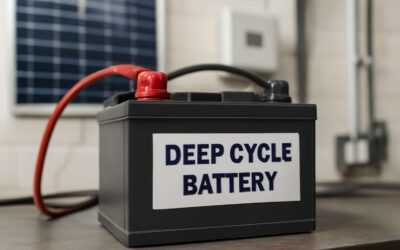
In the vast realm of energy storage, deep cycle batteries stand as the resilient guardians of power, especially in off-grid adventures and renewable energy systems. Unlike their more fleeting counterparts, starting batteries are designed to deliver a quick, explosive burst of energy—perfect for jump-starting a vehicle but ill-suited for sustained use. Deep cycle batteries, on the other hand, are built to endure a steady discharge over long periods, making them ideal for powering solar systems, boats, and RVs.
Understanding what deep cycle battery do I need involves appreciating their unique construction. These batteries feature thicker plates and denser active materials, allowing them to withstand numerous charge and discharge cycles without losing their vigor. Their ability to provide a reliable, steady current is what sets them apart from starting batteries, which are optimized for short, intense bursts of energy. For those venturing into renewable energy or seeking durable power sources, selecting the right deep cycle battery is crucial to ensuring longevity and performance.
Types of Deep Cycle Batteries – Flooded Lead-Acid, AGM, Gel, and Lithium-Ion
Choosing the right deep cycle battery can feel like navigating a labyrinth—each type offering a different path, each with its own set of advantages and quirks. In South Africa’s diverse energy landscape, understanding the nuances of deep cycle batteries is vital. Did you know that the type of deep cycle battery you select can significantly impact the longevity and efficiency of your renewable energy system or boat? This is where the question “what deep cycle battery do I need?” becomes more than just a query—it’s a quest for power stability.
Among the most popular options are flooded lead-acid batteries, renowned for their affordability and proven durability. However, maintenance is key, as these batteries require regular topping-up with distilled water. Then there are AGM (Absorbent Glass Mat) batteries, which provide a sealed, maintenance-free experience, making them ideal for rugged outdoor environments. For those seeking a cleaner, more maintenance-free solution, gel batteries offer excellent deep cycling capabilities with a leak-proof design. Lastly, lithium-ion batteries are revolutionizing the industry—they are lighter, have a longer lifespan, and deliver higher energy density, but they come at a premium price.
- Flooded Lead-Acid: Cost-effective, but needs regular maintenance.
- AGM: Sealed and maintenance-free, suited for portable applications.
- Gel: Ideal for deep cycling with minimal upkeep, perfect for off-grid setups.
- Lithium-Ion: Superior longevity and weight advantage, suitable for high-demand systems.
Understanding these variants is crucial in answering the question: what deep cycle battery do I need? Each type caters to different needs, environments, and budgets, making it essential to align your choice with your specific power requirements and long-term goals. Whether powering a solar installation, marine vessel, or RV, selecting the optimal deep cycle battery hinges on these subtle yet significant distinctions.
Common Applications – RV, Solar Power Systems, Marine, Off-Grid Energy
Deep cycle batteries are the unsung heroes powering South Africa’s vibrant off-grid adventures, marine escapades, and renewable energy dreams. Their role in sustaining energy independence is nothing short of vital. Whether you’re cruising along the coastline or harnessing solar power in the Karoo, understanding what deep cycle battery do I need can be the difference between consistent power and frustrating outages.
In marine environments, these batteries provide reliable energy for navigation and onboard comforts. For RV enthusiasts exploring the vast South African landscape, deep cycle batteries ensure that the adventure never stalls—powering lights, appliances, and entertainment systems. Solar power systems rely heavily on the right deep cycle battery to store energy efficiently, especially in remote locations where grid access is limited.
Off-grid energy solutions demand resilience and longevity. Here, selecting a deep cycle battery with the appropriate capacity and cycle life becomes a quest for sustainable living. Whether you opt for flooded lead-acid, AGM, gel, or lithium-ion, understanding your application’s unique needs helps determine what deep cycle battery do I need to keep your power flowing seamlessly through every journey and project.
Key Factors in Choosing the Right Deep Cycle Battery
Capacity (Amp-Hours) – How Capacity Affects Run Time and Usage Needs
In the shadowy realm of energy storage, the question lingers like a ghostly whisper—what deep cycle battery do I need to power my ambitions? Capacity, measured in amp-hours, is the silent heartbeat of your battery, dictating how long your devices can breathe life into your world before the darkness creeps in again. The more amp-hours a battery harbors, the longer your energy can sustain your endeavors—be it a solar setup, marine voyage, or off-grid sanctuary.
Yet, choosing the right capacity is an intricate dance between your power demands and the lurking threat of depletion. Smaller capacities may seem alluring for their price, but they risk leaving you stranded in the twilight. Conversely, larger capacities offer endurance but at a cost—both in weight and investment. To navigate this labyrinth, consider your daily energy consumption and the depth of discharge your application can endure without succumbing to premature demise. Remember, the capacity you select shapes the very essence of your energy experience, whispering tales of resilience or regret.
- Assess your total daily energy needs
- Understand the depth of discharge suitable for your application
- Balance capacity with physical space and budget constraints
In the end, the question—what deep cycle battery do I need—transcends simple numbers. It becomes a quest for harmony between power and endurance, a dark symphony where capacity is the conductor guiding your energy through the shadows.
Battery Chemistry – Pros and Cons of Different Chemistries
When it comes to selecting the right deep cycle battery, chemistry is often the silent but powerful factor shaping your decision. Different chemistries offer unique advantages and drawbacks, making it essential to understand what deep cycle battery do I need for your specific application. Lithium-ion batteries, for example, boast an impressive lifespan and lightweight design, making them ideal for off-grid living or marine adventures. However, their higher initial cost might give some pause.
Lead-acid variants like AGM and Gel provide reliable performance at a more accessible price point. AGM batteries are known for their durability and maintenance-free operation, while Gel batteries excel in deep cycling and high-temperature environments.
- Li-ion: Longer lifespan, lighter weight, higher upfront cost
- AGM: Maintenance-free, robust, versatile
- Gel: Excellent for deep cycling, high-temperature resistance
Understanding these pros and cons helps answer the crucial question—what deep cycle battery do I need—by aligning your energy demands with the most suitable chemistry.
Cycle Life – Understanding Durability and Longevity
Understanding cycle life is crucial when choosing the right deep cycle battery, especially in demanding environments like South Africa’s rugged landscape. A battery’s longevity determines how well it endures the test of time and repeated deep discharges. The key question remains: what deep cycle battery do I need to ensure reliable performance without constant replacements?
Deep cycle batteries with higher cycle life offer durability that can withstand thousands of charge and discharge cycles. This means more years of dependable energy, whether powering an off-grid solar system or marine equipment. When evaluating options, consider the chemistry and construction—some batteries are engineered for resilience, boasting advanced design features that extend their lifespan. Ultimately, selecting a battery with a longer cycle life reduces maintenance costs and guarantees consistent power delivery over time.
To gauge durability, look for specifications like cycle count ratings and warranty periods. These indicators reveal how tough the battery truly is. Remember, investing in a deep cycle battery with superior cycle life ensures you’ll never be left in the dark—no matter how unpredictable the energy demands become.
Discharge Depth – Depth of Discharge (DoD) and Its Impact
Understanding the impact of Discharge Depth, or DoD, can be the difference between reliable power and unexpected failures. In the quest for the perfect energy solution, many ask: what deep cycle battery do I need? The answer hinges on how deeply you plan to drain the battery during each cycle. The deeper the discharge, the higher the stress on the battery’s chemistry and construction.
For instance, a battery rated for a 50% DoD typically offers twice the lifespan of one designed for 80% DoD, assuming similar cycle counts. It’s essential to recognize that exceeding a battery’s recommended DoD accelerates wear and reduces overall durability. When selecting a deep cycle battery, look for models that specify maximum recommended DoD, as this directly influences how often you’ll need to replace or service your power source.
- Assess your daily energy consumption and peak loads.
- Evaluate the typical depth of discharge that aligns with your usage patterns.
- Choose a battery with a suitable DoD rating to optimize lifespan and performance.
In the rugged landscapes of South Africa, where power reliability can be unpredictable, understanding what deep cycle battery do I need — especially in terms of DoD — becomes critical. This ensures you maximize energy efficiency while minimizing maintenance, keeping your systems up and running even in the most challenging environments.
Size and Weight – Physical Dimensions and Portability Concerns
In the rugged terrains of South Africa, where power disruptions are all too common, choosing the right deep cycle battery isn’t just a matter of capacity—it’s about physical compatibility and portability. The size and weight of your battery can make or break your setup. A bulky, heavy battery may seem robust but can be a nightmare to transport and install, especially in remote locations. Conversely, a lightweight, compact model offers ease of handling but might sacrifice longevity or capacity if not chosen carefully.
When asking yourself, “what deep cycle battery do I need,” consider the physical dimensions that fit seamlessly into your space and the weight that aligns with your mobility needs. If your applications demand frequent relocation or installation in tight spaces, a lighter, more portable option may serve you better. For larger energy demands, a heavier, high-capacity model ensures endurance without constantly swapping out batteries.
To streamline your decision, evaluate these key factors:
- Battery size—measured in physical dimensions—must match your designated compartment.
- Weight—critical for portability and ease of installation.
- Capacity—determining how long your power supply lasts under load.
Understanding these physical considerations ensures you select the perfect fit—an essential step when pondering what deep cycle battery do I need for your specific energy needs in South Africa’s unpredictable power landscape.
Determining Your Power Needs
Calculating Total Power Consumption – Estimating Your Load and Daily Energy Usage
Understanding your power needs is the cornerstone of selecting the right deep cycle battery. Most users underestimate their daily consumption, leading to underperformance or shortened battery life. To determine what deep cycle battery do I need, start by estimating your load and daily energy usage. This involves cataloging all electrical devices—lights, appliances, and gadgets—and noting their power ratings.
Next, calculate the total energy consumption in watt-hours (Wh). For example, if a device consumes 50 watts and runs for 4 hours daily, that’s 200 Wh per day. Summing these figures across all devices gives you a clear snapshot of your daily energy requirement. Knowing this, you can accurately select a battery capacity that comfortably meets your needs, avoiding both overkill and insufficient power supply. Remember, a deeper understanding of your consumption patterns ensures you choose a deep cycle battery that provides reliable, long-lasting energy, tailored specifically to your lifestyle in South Africa’s unique environment.
Peak vs. Continuous Power – Understanding Power Requirements at Startup and During Operation
Understanding the difference between peak and continuous power is crucial when selecting the right deep cycle battery. Peak power refers to the maximum surge your device may require at startup—think of the initial jolt when turning on a refrigerator or inverter. Continuous power, on the other hand, is the steady energy your system consumes during regular operation. Neglecting this distinction can lead to underestimating your battery needs, risking sudden shutdowns or damage to your equipment.
For most applications, your device’s startup power can be significantly higher than its running power, sometimes requiring two to three times the continuous rating. To navigate this, consider creating a list of your essential appliances and noting their startup and running wattages. This helps determine the peak power your deep cycle battery must supply without strain. Knowing how to balance these requirements ensures you choose a deep cycle battery that not only meets your daily energy needs but also handles brief power surges effectively—crucial for reliable off-grid systems in South Africa’s unpredictable environment.
Backup Duration – How Long Do You Need the Battery to Last?
Understanding how long your deep cycle battery needs to last isn’t just a technicality—it’s a reflection of your resilience, your independence. In South Africa’s unpredictable environment, where power outages are often unpredictable, knowing the backup duration you require becomes crucial. How do you determine this? It starts with honestly assessing your daily energy demands and the continuity you seek in your off-grid system.
If your lifestyle depends on consistent power, you’ll need to plan for extended periods of autonomy. Consider creating a simple calculation: estimate your total daily wattage consumption and then decide how many hours of backup power you need during outages. For example, if your essential appliances draw 200 watts and you want a 24-hour backup, your battery capacity should be at least 4,800 watt-hours. This understanding guides you toward the appropriate size of the deep cycle battery—ensuring it can sustain your needs without risking premature failure.
- Identify critical appliances and their wattage requirements.
- Determine your desired backup duration.
- Calculate the total watt-hours needed to sustain this period.
In the end, knowing what deep cycle battery do I need is more than a question of capacity; it’s about aligning your power needs with your survival instinct—an unspoken testament to your independence in a land that demands resilience. The right battery isn’t just a purchase; it’s an extension of your capacity to endure, adapt, and thrive amidst uncertainty.
Matching Battery Capacity with Your System
Battery Bank Configuration – Series, Parallel, or Series-Parallel Setups
In the labyrinth of energy storage, matching the right deep cycle battery to your system’s configuration can feel like navigating an ancient crypt — fraught with shadows and hidden truths. When pondering what deep cycle battery do I need, it’s vital to consider how your battery bank is wired—whether in series, parallel, or a cunning hybrid of both. Each setup whispers a different tale of capacity, voltage, and endurance.
In a series configuration, voltage is amplified, perfect for applications requiring higher power. Conversely, a parallel setup maintains voltage but increases capacity, ideal for prolonged energy demands. The series-parallel arrangement weaves these elements together, creating a balance tailored for specific needs. For an off-grid solar sanctuary or a marine vessel, understanding this interplay is essential—ensuring your deep cycle batteries deliver the longevity and resilience needed in the shadowed depths of energy demands.
Choosing the Right Capacity – Aligning Battery Capacity With Your Load Demands
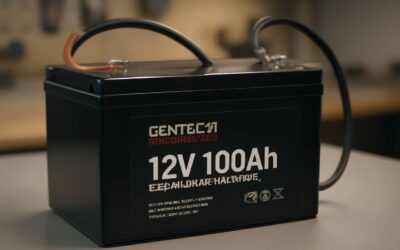
When contemplating the question, “what deep cycle battery do I need,” the answer hinges on understanding your system’s energy demands. Capacity is the cornerstone—it’s what determines how long your power source can sustain your lifestyle or operations. If your load demands are high, a battery with greater Amp-hour (Ah) capacity becomes essential to avoid unexpected shutdowns or reduced performance.
Matching your battery capacity with your load ensures efficiency and longevity. For instance, if you run a solar power system or operate an off-grid cabin, consider the total daily energy consumption. A balanced approach involves selecting a battery that can handle your peak power needs without being overburdened, which could lead to premature failure. Sometimes, an ordered list helps clarify your options:
- Assess your daily energy consumption accurately.
- Choose a battery with sufficient Amp-hour capacity to meet or exceed this load.
- Factor in the depth of discharge — deeper discharges reduce lifespan but increase usable capacity.
Understanding these nuances ensures you select the right deep cycle battery, making your energy storage both resilient and cost-effective. Remember, the right capacity isn’t just about size—it’s about aligning with your specific power profile and ensuring your system remains steadfast in the shadowed depths of energy demands.
Battery Autonomy and Reserve Power – Ensuring Adequate Backup Time
Finding the right deep cycle battery isn’t just about size; it’s about ensuring your system has enough autonomy and reserve power to keep your world spinning smoothly. When contemplating “what deep cycle battery do I need,” it’s essential to think beyond immediate power needs and consider how long the battery can sustain your operations during cloudy days or off-grid adventures. This is where understanding backup duration plays a pivotal role—your battery must provide ample reserve power to bridge those moments of low sunlight or increased energy demand.
To determine your ideal capacity, analyze your daily energy consumption and add a buffer for unexpected surges. Think of your battery as a trusty reserve, ready to step in when the main power source falters. A deeper understanding of your power profile allows for a tailored approach—some applications might require a battery with a higher Amp-hour rating to ensure extended autonomy, while others might prioritize lighter weight or faster recharge times. Balancing these factors helps avoid scenarios where your system runs out of juice at a critical moment.
In essence, the question of “what deep cycle battery do I need” hinges on aligning your energy reserves with your specific operational demands. Whether powering a solar setup, an RV, or an off-grid cabin, selecting a battery with adequate backup time guarantees resilience and peace of mind. Remember, your battery isn’t just a component; it’s the heartbeat of your energy ecosystem, pumping life into your ambitions and adventures!
Considering Budget and Long-Term Investment
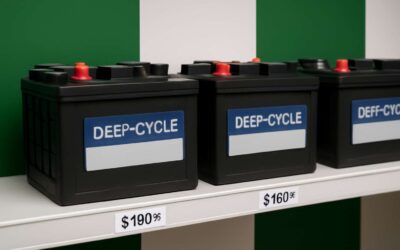
Cost per Amp-Hour – Evaluating Initial Investment vs. Longevity
In the shadowed corridors of energy storage, the question lingers like a specter: what deep cycle battery do I need? The initial investment may seem daunting, yet it’s a mere whisper compared to the long-term cost per amp-hour — the true measure of a battery’s worth. A cheaper battery might beckon with its lower upfront price, but often, it sacrifices longevity, forcing frequent replacements that drain resources and patience alike.
Evaluating these costs reveals a truth as old as time: a higher-quality battery, though more costly initially, often boasts a longer cycle life and greater resilience. This makes it a more astute long-term investment. For those seeking a balance between budget and endurance, consider the following:
- Assess your daily energy needs with precision.
- Choose a battery chemistry that aligns with your usage pattern.
- Factor in the total cost of ownership over its lifespan.
The question of what deep cycle battery do I need transforms from a simple purchase into a strategic decision—one that echoes through the darkened vaults of energy independence.
Maintenance Requirements – Maintenance for Different Battery Types
When considering the purchase of a deep cycle battery, weighing your budget against long-term maintenance needs is paramount. The initial outlay might seem steep, but it’s the ongoing upkeep and replacement frequency that truly define a battery’s worth. For those who seek a low-maintenance solution, choosing a battery with minimal service requirements can save both time and money—especially in remote or off-grid scenarios common in South Africa’s diverse landscape.
Different battery types bear varying maintenance burdens. Flooded lead-acid batteries, for instance, demand regular water top-ups and vigilant cleaning, making them less ideal for hands-off operation. On the other hand, sealed AGM and gel batteries are virtually maintenance-free, offering peace of mind and fewer surprises. Lithium-ion batteries, while initially pricier, boast an impressive cycle life and minimal upkeep, making them an attractive long-term investment for those asking, “what deep cycle battery do I need?”
Evaluating these factors naturally leads to a comparison of costs over the battery’s lifespan. For example, an AGM battery might require less frequent replacement than a flooded lead-acid, but lithium-ion technology, despite its higher upfront cost, often proves cost-effective over time due to its longevity. When selecting a deep cycle battery, it’s crucial to consider not only the purchase price but also the ongoing maintenance and potential replacement costs—an aspect often overlooked but vital for ensuring energy resilience in South Africa’s challenging environment.
Warranty and Support – Ensuring Reliability and Service
When it comes to selecting a deep cycle battery, considering your budget alongside long-term investment is crucial. A battery isn’t just a purchase; it’s a commitment to reliable energy, especially in South Africa’s diverse and often remote landscapes. The initial cost may seem significant, but understanding warranty and support can dramatically influence your decision. A solid warranty indicates manufacturer confidence and ensures you’re protected from unexpected failures, which can be costly in the long run.
Opting for a deep cycle battery with comprehensive support can save you time and money down the line. Companies that offer extended warranties and accessible customer service are often more reliable investments, particularly when energy independence is vital. For those asking, “what deep cycle battery do I need?” it’s worth prioritizing brands that stand behind their products—this ensures peace of mind and sustained performance in demanding environments.
- Evaluate the warranty period—longer coverage typically correlates with higher quality and greater durability.
- Research available support channels—accessible technical assistance can prevent costly mishaps.
- Factor in the total cost of ownership—sometimes investing a little more upfront can yield significant savings over the lifespan of the battery.
While the initial price tag is important, the longevity and support network surrounding your deep cycle battery often determine its true value. Ultimately, choosing a trusted brand with reliable warranty and support offers a resilient foundation—one that keeps your energy systems running smoothly regardless of the challenges posed by South Africa’s unpredictable power landscape.
Additional Tips for Selecting the Best Deep Cycle Battery
Brand Reputation and Reviews – Picking Trusted Manufacturers
Choosing the right deep cycle battery isn’t merely a matter of size or capacity; it’s a nuanced decision rooted in trust and reputation. When pondering what deep cycle battery do I need, prioritizing trusted manufacturers can save future headaches and unexpected costs.
Opting for brands with stellar reviews and a proven track record means you’re investing in durability and consistent performance. A reputable manufacturer often provides comprehensive warranties and reliable customer support—crucial factors when your energy system is the backbone of off-grid living or marine adventures.
Remember, a deep cycle battery from a trusted name isn’t just a purchase; it’s an assurance of longevity. To simplify your search, consider checking independent review platforms and user testimonials, which often reveal the true story behind brand claims.
Ultimately, selecting what deep cycle battery do I need requires a blend of savvy research and trust—because in the world of energy storage, reputation is everything.
Compatibility with Existing Equipment – Ensuring System Compatibility
Choosing the right deep cycle battery isn’t just about matching capacity or size; it’s about ensuring seamless compatibility with your existing energy system. When asking “what deep cycle battery do I need,” understanding your current setup is crucial. Incompatibility can lead to reduced efficiency, premature failure, or even system damage, which is a costly setback.
To avoid these pitfalls, carefully assess your equipment’s voltage and current requirements. For example, if your solar inverter or marine system operates on a specific voltage, selecting a deep cycle battery that aligns perfectly is essential. Additionally, consider the connection type—whether series or parallel—to optimize your battery bank configuration.
A quick tip: consult your system’s manual or a professional to verify that the battery chemistry and capacity will harmonize with your existing components. The compatibility check isn’t just a technical step; it’s the safeguard that keeps your energy system resilient and long-lasting. When pondering what deep cycle battery do I need, remember—precision in matching system requirements is the key to unlocking optimal performance and durability in your energy storage solution.
Environmental Conditions – Operating Temperature and Place of Use
Environmental conditions are often the silent architects of your deep cycle battery’s longevity and performance. In the South African landscape, where temperatures can swing dramatically from scorching days to chilly nights, selecting a battery suited to these extremes is paramount. High temperatures accelerate chemical reactions within the battery, potentially shortening its cycle life, while cold conditions can diminish its capacity. Therefore, understanding the operating temperature and ideal placement becomes a vital step in answering the question: what deep cycle battery do I need?
When choosing a battery for outdoor use, consider the location’s exposure to direct sunlight, humidity, and physical vibrations—especially for marine or off-grid applications. Batteries stored in unventilated or overly hot environments risk damage, so opt for sealed, maintenance-free options like AGM or Gel batteries that handle temperature swings better. To ensure resilience, some professionals recommend installing batteries in shaded, ventilated areas, or even incorporating insulation if extreme weather is anticipated.
Moreover, think about the battery’s placement relative to your energy consumption points. Keeping your battery close to your inverter or solar charge controller reduces power loss and prolongs its life. Remember, a well-sited deep cycle battery not only withstands the environment but also performs with unwavering reliability, answering your query of what deep cycle battery do I need with confidence and clarity!

0 Comments