Understanding 12V 100Ah lithium deep cycle batteries
What is a 12V 100Ah lithium deep cycle battery and where it fits
Power outages are a daily rhythm in many South African towns, and a reliable backup can make the difference in minutes. I’ve seen a solid battery storage plan turn a frustrating blackout into manageable downtime!
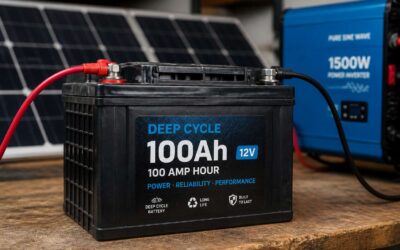
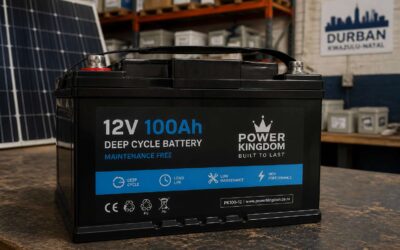
Understanding starts with a line: a rechargeable pack designed for deep discharges and long life, delivering steady power when the grid falters. The 12 volt 100ah lithium deep cycle battery offers a balance of capacity, efficiency, and resilience for off-grid living and backup needs.
- High energy density for compact setups
- Long cycle life minimizes replacements
- Lightweight compared with lead-acid rivals
- Fast, scalable charging with solar or mains
Where it fits: homes with solar, caravans, rural farms, and business continuity for critical devices. In SA, that flexibility matters when the grid falters, letting you run essentials without noise or fumes.
Key specifications to compare when shopping (capacity, voltage, cycle life)
In South Africa’s rhythm of outages, a compact power ally can turn a tense moment into a quiet pause. The 12 volt 100ah lithium deep cycle battery sits at the heart of many resilient setups, balancing space, power, and endurance. Its promise isn’t simply energy—it’s steadiness when the grid falters.
When you shop, three keys govern the decision:
- Capacity: how much energy the pack can deliver before needing a recharge, shaping run-time for lights, routers, and critical devices.
- Voltage: the system’s electrical backbone; a true 12V rating keeps solar controllers and inverters aligned.
- Cycle life: the number of deep discharges the battery can survive with minimal capacity loss, a hallmark of lithium compared with aging lead-acid.
The 12 volt 100ah lithium deep cycle battery exemplifies how modern chemistry translates to practical resilience: light enough to move between camps and robust enough to support essential loads through days of overcast weather.
Common chemistries used in this format and their differences
In South Africa, outages carve the night into stubborn shadows and patient breaths. A single battery, chosen with care, can stretch a whisper of light into hours of calm. The 12 volt 100ah lithium deep cycle battery sits at the heart of that quiet resistance, a compact ally keeping essential rhythms intact when the grid forgets its promises.
Common chemistries in this format reveal how resilience is engineered:
- LiFePO4 (Lithium Iron Phosphate): renowned for safety, thermal stability, and long cycle life, delivering steady performance across a wide temperature range.
- NMC (Nickel Manganese Cobalt Oxide): high energy density and lighter weight, with flexible form factors and higher cost considerations.
- LTO (Lithium Titanate): ultra-fast charging and superb cycle life, though higher price and lower overall energy density.
Each chemistry interacts with its core differently, shaping how it behaves under sun, shade, and the long, clouded stretches. Shadows and light mingle as theory clicks into practical presence.
Typical applications in RVs, boats, and off-grid systems
Under South African night skies, the 12 volt 100ah lithium deep cycle battery becomes a quiet conductor of resilience. In RVs, it keeps the living room glowing through a spectral dawn; on boats, it feeds lights and navigation with unflinching calm; in off-grid shelters, it turns a cave of darkness into a kept heartbeat. The application trio—RVs, boats, off-grid systems—reveals a versatile backbone for portable life.
Its presence translates to steady, compact power that respects the weight of travel and weather. Reliability isn’t a boast here; it’s a daily whisper that grows bolder with the night’s inertia.
- RVs: silent power for lights, refrigerators, and chargers during long hauls
- boats: reliable energy for GPS, radios, and cabin comforts
- off-grid systems: steady energy for security pumps and essential loads
Advantages over traditional lead-acid and AGM options
Under South Africa’s night skies, the 12 volt 100ah lithium deep cycle battery redefines resilience. Across the country, its thousands-of-cycles durability becomes a practical truth—fewer replacements, lighter weight, and steady performance when it matters most. This is not mere tech jargon; it’s a quiet promise that energy can be reliable, compact, and ready for the long haul.
- Higher energy density and lighter weight than lead-acid and AGM, easing transport and installation
- Deeper usable discharge with minimal capacity fade, delivering more usable power per cycle
- Faster charging and better cold-weather performance, plus maintenance-free safety
Over the long horizon, the upfront cost shifts toward lifetime value as reliability compounds and maintenance needs shrink.
Performance and reliability for long-term use
Cycle life expectations and how to maximize longevity
In field data, a 12 volt 100ah lithium deep cycle battery often delivers 2,000+ cycles at 80% depth of discharge, outlasting lead-acid rivals and keeping systems humming through Karoo heat and coastal humidity. Performance stays steady under load, with low self-discharge and tight voltage sag that keeps appliances running reliably, even as temps swing. It’s a compact power reserve that pairs resilience with quiet efficiency.
From my experience, the cycle life of the 12 volt 100ah lithium deep cycle battery is anchored in its discipline: respect the chemistry, and it repays with reliability. Expect thousands of cycles when the system remains within its design envelope, with capacity gracefully tapering rather than plummeting. For longevity, a compatible BMS and a stable thermal envelope keep the narrative intact for off-grid ambitions and mobile power alike.
Understanding DoD, C-rate, and usable capacity
Performance longevity is a quiet art, and the 12 volt 100ah lithium deep cycle battery earns trust by delivering steady power through changing tides. With DoD kept modest and a sensible C-rate guiding the energy curve, this unit holds its voltage under load while temperatures do not betray its capacity. In real-world terms, usable energy remains reliable from dawn to dusk, and the battery shows resilience that rivals envy.
Understanding DoD, C-rate, and usable capacity unlocks the long game. A lower DoD preserves cycles and reduces sag, while a healthy C-rate enables brisk, predictable responses to spikes in demand. The usable capacity then becomes a graceful taper, not a cliff, so your off-grid or mobile setup keeps humming without sudden surprises.
- DoD impact on cycle life and efficiency
- C-rate effects on peak loads and voltage stability
- Predictable usable capacity across seasons
Temperature effects on performance and how to mitigate them
Power reliability is a quiet drama, played out in every sun-drenched dawn and chilly night. In South Africa, where off-grid living and mobile setups crave calm energy, the 12 volt 100ah lithium deep cycle battery proves its mettle by holding voltage under load as temperatures swing.
Temperature sensitivity is real. Cold can curb peak output and sag under load; heat can accelerate aging. The long-game promise rests on a wide operating window, with resilience strengthened when charging and discharging stay within sensible margins.
Temperatures are a constant, but how a battery handles them defines its fidelity.
- Voltage stability under load across a broad temperature spectrum
- Resilience of cycle life with moderate thermal stress
- Seasonal performance consistency that reduces surprises
That even tempo is the hallmark of a dependable energy storage solution in South Africa.
Efficiency, energy density, and real-world runtime
Power reliability is the quiet heartbeat of every off-grid sanctuary. In South Africa’s sun-drenched mornings and cool, starlit nights, users report up to 20% longer runtime when storage is tuned for long cycles. The 12 volt 100ah lithium deep cycle battery stands at the center, delivering steady voltage as temperatures swing. I see this daily in SA’s remote setups, and the effect is palpable!
Efficiency and energy density matter in the long arc of use. The 12 volt 100ah lithium deep cycle battery packs high energy density into a compact footprint, turning daily sun into usable power with grace. Real-world runtime remains robust under varied loads, aided by thoughtful cell balancing and stable discharge curves.
- Solid energy density translates to longer daily runtime for refrigeration, lighting, and charging cycles.
- Voltage stability across day and night minimizes dips that disrupt sensitive devices and seasonal equipment.
Interaction with inverters and power electronics
Reliability is the heartbeat of any off-grid SA setup. In field tests, a steady battery-inverter duet reduces voltage dips as clouds gather. The 12 volt 100ah lithium deep cycle battery stands at the center, delivering calm, unwavering voltage through day and night and across temperature swings. I see this daily in remote rigs—and the difference is palpable!
- Low resistance for snappy inverters
- Voltage stability under long discharges
- Ideal with MPPT and smart inverters
Long-term reliability hinges on harmonious interaction with power electronics. With the 12 volt 100ah lithium deep cycle battery, your inverter behaves like a steady choir, delivering predictable performance even during peak sun or sudden load spikes in SA.
Safety, protection, and installation best practices
Battery management system roles and protections
In South Africa, a reliable power setup feels like sunlight spilling over a thatch roof—bright, steady, and a touch magical. The heart of this reliability is a 12 volt 100ah lithium deep cycle battery, whispering resilience under load.
A Battery Management System stands as the guardian of each cell, watching voltage, temperature, and state of charge with patient, unseen eyes. It prevents overcharge, deep discharge, and thermal runaway, weaving safety into every energy transaction.
- Balance and monitor cell voltages to maximize usable capacity
- Provide over-current, short-circuit, and thermal protection
Installation best practices translate theory into everyday reliability: secure mounting, neat cable routing, and proper protection devices. With a sturdy enclosure and attention to heat, the whole setup breathes easier, staying resilient under sun and storm.
Key safety features (overcharge, short-circuit, thermal protection)
Power reliability in South Africa often feels like sunlight threading through a thatch roof—bright, steady, and unexpectedly magical. The 12 volt 100ah lithium deep cycle battery stands at its core, quietly resilient under load and ready to bridge the gaps when grid power stutters or storms roll in.
Safety features act as the unseen guardians of every energy transfer:
- Overcharge protection
- Short-circuit protection
- Thermal protection
Installation considerations translate safeguards into daily reliability: secure mounting, tidy cable routing, protective devices; a sturdy enclosure with ventilation allows heat to dissipate and longevity to breathe. The arrangement benefits from appropriately rated cabling and guarded entry points, keeping the heart of the system steady through seasons.
Wiring, fusing, and proper grounding recommendations
Power reliability in South Africa often hinges on moments of clarity when the sun returns. The 12 volt 100ah lithium deep cycle battery sits at the core, quietly steady under load and ready to bridge gaps when grid power stutters.
Safety features act as unseen guardians of every energy transfer: overcharge protection, short-circuit protection, and thermal protection—quiet assurances I rely on when the lights go dim.
Installation considerations translate safeguards into daily reliability: secure mounting, tidy cable routing, protective devices, and a sturdy enclosure with ventilation let heat dissipate and longevity breathe. Wiring, fusing, and proper grounding recommendations become the ethical spine of a calm, resilient system.
- Appropriately rated cabling and connectors
- Protective fusing devices sized for the load
- Proper grounding and a ventilated, weather-safe enclosure
These practices sustain the 12 volt 100ah lithium deep cycle battery through varying loads and fierce weather, turning risk into reliability and quiet confidence.
Ventilation, mounting, and vibration considerations
Power has memory—“Power has a memory,” they say—and in South Africa it remembers the hours when the grid wanders. The 12 volt 100ah lithium deep cycle battery sits as a quiet sentinel, turning a flicker into continuity when the night returns. Its calm presence offers a rare kind of hope in a world where outages have become routine.
Safety features act as guardians of every energy transfer: overcharge protection, short-circuit protection, and thermal protection—silent assurances I rely on when the lights dim. They keep fluctuations tame and prevent the mood from turning grim, letting me breathe easier as demand climbs and temperatures rise!
Installation considerations translate safeguards into reliability: secure mounting, tidy cable routing, and a ventilated, weather-safe enclosure. Proper mounting and vibration damping protect the battery from shocks, while thoughtful cabling and heat management let longevity breathe.
Storage, handling, and transport guidelines
When the grid falters, dependable storage becomes ballast. The 12 volt 100ah lithium deep cycle battery quietly sustains life, turning outages into manageable pauses for South African households.
Safety and protection are design commitments, not add-ons. Look for robust protection systems, clean shutdown behavior, and thoughtful integration that minimizes risk to people and equipment.
Installation best practices translate caution into reliability: secure mounting, neat cabling, and a weather-tight enclosure, with proper grounding and clear access for service checks.
Stored properly, these assets stay ready; during handling and transport, keep them upright, insulated, and secure.
- Store upright in a cool, dry place.
- Keep terminals insulated and away from metal.
- Disconnect from chargers and inverters during storage.
- Transport on a cushioned surface and secure ties.
Charging strategies and maintenance routines
Choosing the right charger and charging profiles
Power reliability in South Africa hinges on a thoughtful charging rhythm. The 12 volt 100ah lithium deep cycle battery transforms abundant sunshine into steady energy, guarding you when the grid falters and the lights flicker at dusk!
Choosing the right charger and charging profiles is more than convenience—it’s longevity. Look for a charger with a genuine LiFePO4 profile and CC-CV control. Target a maximum of about 14.4V, a careful gradual taper, and automatic protections that honor the chemistry.
- LiFePO4-specific charging profile (CC-CV)
- Temperature compensation and overcurrent protection
- Balanced end-of-charge detection and safe termination
- System voltage and BMS compatibility
Maintenance routines keep the life long and bright: monitor temperature, keep connections clean, and inspect the BMS signals. Store the battery at roughly 50–70% SOC when idle, and shield it from heat or freezing temperatures.
Solar charging compatibility and MPPT/PMW considerations
‘The sun doesn’t take a night off,’ a solar installer likes to say. In South Africa, outages bite, but 12 volt 100ah lithium deep cycle battery stores daylight’s quiet into the night.
Charging strategies that honor the sun-spun chemistry turn a simple panel into a patient guardian. Look for a charger with a genuine LiFePO4 profile and CC-CV control, and assess MPPT compatibility alongside PWM flexibility. A typical LiFePO4 end-of-charge hovers near 14.4V, with a gentle taper and automatic protections that respect the chemistry.
- MPPT controllers optimize solar harvest in variable South African conditions.
- PWM can work, but with tighter voltage control and LiFePO4-aware termination.
Maintenance routines keep the life long and bright: monitor temperature, keep connections clean, and inspect BMS signals. Store the battery at roughly 50–70% SOC when idle, and shield it from heat or freezing temperatures.
Maintenance checks, health monitoring, and software updates
Charging strategies demand patient guardianship; the sun never clocks out, and neither should your battery. For a 12 volt 100ah lithium deep cycle battery, quiet maintenance keeps daylight stored for the night. Maintenance checks, health monitoring, and software updates form a triad that preserves performance, and, in my experience, helps navigate South Africa’s outages. The Battery Management System tracks voltage and temperature, while the charger stays aligned with LiFePO4 profiles for steady starts and calm finishes.
- Temperature trends and safe ranges
- Clean, tight connections and corrosion-free terminals
- Clear BMS signals and health indicators logged
- Firmware and charging-profile updates kept current
Software updates subtly tune protection thresholds and balancing routines, while dashboards translate raw data into readable warnings. A well-tuned system stays quiet and ready for the next day’s load demands, even when the national grid plays hide-and-seek.
Troubleshooting common charging and balancing issues
Charging strategies with the 12 volt 100ah lithium deep cycle battery demand patience and discipline; the right profile keeps sunlit energy steady through the night. Temperature, voltage, and the rhythm of the charge curve shape endurance, especially under South Africa’s capricious skies. A calm, monitored approach preserves capacity and reduces wear, letting outages pass with less drama.
Signs of trouble surface when balancing lags or voltage drift creep in. Keep an eye on the BMS alerts and charger compatibility; misalignment can quietly erode performance.
- Uneven cell voltages or drift that widens over time
- Frequent restarts or unexpected shutdowns
- Over- or under-charging indicators
- Temperature warnings or throttling signals
In many cases, diagnostics hinge on firmware and charging-profile congruence, ensuring the system remains coherent and quiet. A well-tuned setup addresses balancing without fanfare, letting your 12 volt 100ah lithium deep cycle battery answer the next day’s load with steadiness.
Seasonal care and end-of-life planning
Patience is power—on the farm the sun sets the clock, and a well-tuned 12 volt 100ah lithium deep cycle battery keeps the lights steady through the night. Seasonal care means aligning charging profiles with South Africa’s capricious weather, letting the system breathe in winter and shed heat in the heatwaves. A calm, monitored routine preserves capacity and reduces wear, even when outages loom.
Maintenance routines become part of the daily rhythm: watch health indicators, ensure secure mounting, and plan for end-of-life with dignity—recycling, repurposing, and responsible disposal. When the battery finally reaches the final chapters, you’ll thank the early, quiet attention for keeping everything else moving.
- Seasonal care reminders that protect against temperature swings and charging strain
- End-of-life planning with local recycling and second-use options
- Record-keeping for cycles, voltages, and performance trends
Buying guide and practical applications
Sizing tips for off-grid, marine, and RV setups
Power is the quiet nerve of modern living, especially in South Africa’s remotest corners where a light switch is a luxury. The cornerstone is the 12 volt 100ah lithium deep cycle battery.
Buying guide and sizing hinge on balance—off-grid, marine, or RV. Think daily energy, inverter losses, and usable capacity across temperatures. Consider these factors:
- Estimate daily energy use (Wh) with a buffer for surges
- Match capacity to inverter losses and realistic DoD
- Account for operating temperatures and charging profiles
- Ensure charger compatibility with solar MPPT or shore power
In practical applications, this philosophy translates to steadier refrigeration aboard boats, calmer nights on remote farms, and more comfortable road trips in SA-built caravans. When sizing is thoughtful, this battery becomes less a purchase and more a faith in consistent power for everyday moments. This is the 12 volt 100ah lithium deep cycle battery approach in action.
Comparing lithium deep-cycle to lead-acid and other chemistries
Power planning in South Africa’s remote spaces is less about bravado and more about prudence. The 12 volt 100ah lithium deep cycle battery embodies a calm equilibrium between cost and endurance, turning shaky outages into manageable intervals. In off-grid homesteads, on hardy boats, and inside SA-built caravans, its lighter heft and steadier discharge translate into fewer battery dramas and more predictable days. A thoughtful buying approach weighs daily energy, temperature, and inverter compatibility.
- Higher usable capacity and longer cycle life than traditional lead-acid or AGM options.
- Lighter weight and faster, gentler charging improve inverter interaction.
- Better tolerance to temperature swings and deeper discharge without dramatic capacity loss.
Compared with lead-acid and AGM options, the modern lithium deep-cycle approach tends to offer more resilience, even when conditions tilt unfavourably.
Warranty, brands, and after-sales support considerations
South Africa’s off-grid landscape rewards careful planners. The 12 volt 100ah lithium deep cycle battery delivers steady endurance and predictable outages, turning volatile power gaps into manageable pauses. When choosing, a solid warranty and transparent data from a trusted supplier matter as much as price—reliability travels far beyond the label.
For practical applications, seek local support, spare parts availability, and a service network you can reach. In remote homesteads, on hardy boats, or SA-built caravans, durability and after-sales care translate into fewer surprises. Ask about SA-specific testing, charging profiles, and how the brand handles updates and recalls.
- Warranty terms and claim process
- Local dealer network and service support
- Replacement parts availability and response times
Where to buy, pricing trends, and return policies
Outages shape daily life in many SA communities, and a single well-chosen battery can turn a hiccup into a manageable pause! The 12 volt 100ah lithium deep cycle battery delivers steady power and predictable performance when it matters most.
Where to buy in SA? Look for local authorized dealers and service partners, and verify a South Africa–specific distribution network.
- Local authorized dealers and installers
- South Africa–based online retailers with clear warranties
- Vehicle, caravan, and boat fitters who stock batteries
Pricing trends shift with demand, but dependable after-sales support keeps total ownership compelling. Return policies vary by dealer; seek transparent terms, reasonable restocking windows, and straightforward warranty transfers to SA buyers. Choosing the right supplier means more than price—it’s about service networks, stock availability, and timely parts.

0 Comments