Overview of Deep Cycle Batteries and Charger Compatibility
What is a deep cycle battery
Across rural South Africa, load shedding can stretch to eight hours a day in winter, turning kitchens and workshops into quiet theaters of need. A dependable energy duo—battery and charger—feels like a lifeline.
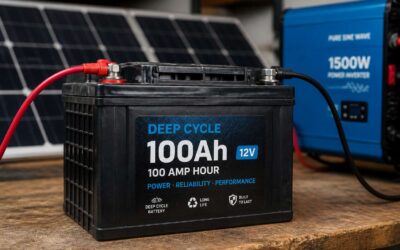
A deep cycle battery is built for steady power over long spells, not quick bursts. Unlike starter batteries, it endures repeated deep discharges. A deep cycle battery with charger keeps lights and fans going through long evenings.
Charger compatibility matters. The right charger matches voltage and chemistry and uses a smart, multi-stage profile to protect the battery and extend life. Temperature compensation helps across the Highveld and Karoo.
- Correct voltage and chemistry match
- Appropriate charging current
- Multi-stage charging (bulk, absorption, float)
- Temperature compensation
In the quiet hours, the steady hum of this setup mirrors the rhythms of rural life.
Why pair with a charger
Africa’s winter evenings often arrive with a hush of power outages, and eight hours can slip by like a tide. In those moments, a steady energy duo—battery and charger—becomes not just practical, but almost magical, a quiet heartbeat for homes and workshops.
A deep cycle battery with charger is built for endurance, delivering steady power through long nights. Unlike fast-start packs, it bravely withstands repeated deep discharges, keeping lights and tools alive while the world slows to a gentle rhythm. The right charger matches voltage and chemistry and uses a smart, multi-stage profile to guard longevity and performance.
To get the most from this alliance, proper pairing matters. The charger should include temperature compensation for varied SA climates and a profile that moves through bulk, absorption, and float stages.
- Correct voltage and chemistry match
- Appropriate charging current
- Multi-stage charging (bulk, absorption, float)
- Temperature compensation
Key advantages for off-grid, marine, and solar setups
Power outages aren’t a bug; they’re the new normal. That line might be dramatic, but it’s true in many SA homes, where a reliable energy duo can feel almost magical. A deep cycle battery with charger keeps lights glowing and tools alive through long nights, turning a potential panic into a calm, coffee-fueled plan.
Overview of compatibility boils down to harmony between the cells and the charger. The right setup respects voltage and chemistry, applies a sensible charging current, and uses smart multi-stage routines. Add temperature compensation to chase comfort across South Africa’s diverse climates.
- Voltage and chemistry alignment
- Appropriate charging current
- Smart multi-stage charging (bulk, absorption, float)
- Temperature compensation for varied climates
For off-grid cabins, boats, and solar-powered homes, this steady pairing yields steadier performance and longer service life. It’s not flashy, but in the SA sun and chill, it’s a quiet, dependable workhorse.
Common misconceptions about deep cycle batteries
Powering off-grid dreams in SA hinges on compatibility more than bravado. A deep cycle battery with charger is not a magic wand; it’s a measured duet that respects voltage, chemistry, and a sensible charging rhythm. When cells and charger align—precise voltage, appropriate charging current, smart multi-stage routines, and temperature compensation—the system behaves like a reliable sunrise rather than a cliffhanger.
Common misconceptions pull many into the wrong direction:
- All deep cycle batteries are the same or interchangeable.
- Any old car charger will do in a pinch.
- The deeper you discharge, the longer the battery lasts.
- Maintenance can be ignored altogether.
Clear the fog, and the partnership shines.
Choosing the Right Battery Type for Your System
Flooded vs Sealed Deep Cycle Batteries
Power certainty is the heartbeat of any off-grid dream in South Africa. The right battery type aligns with your charger, your climate, and your daily load. A well-matched deep cycle battery with charger keeps lights bright and gear ready, even when the sun hides behind a storm front.
Flooded batteries bring the allure of a lower upfront price and the potential for a longer life with good hydration and careful maintenance. Sealed options—AGM or GEL—offer spill-free operation, less fuss in hot conditions, and a steadier performance in compact spaces or mobile setups.
Consider these determinants, then pick:
- Cost and maintenance needs
- Space, weight, and venting considerations
- Charging compatibility with your solar or wind charger
AGM vs GEL vs Lithium options
Power certainty fuels South Africa’s off-grid dreams, and the right deep cycle battery with charger is the key to weathering sun and storm alike. A well-chosen pairing of AGM, GEL, or Lithium with your charger ensures lights stay bright and e-switches spin when the clouds gather.
AGM, GEL, and Lithium each wear a different cloak in hot, dusty SA days. Here are their callouts:
- AGM: sturdy, spill-free, compact – a solid workhorse for mobile or compact spaces.
- GEL: sealed and temperature-tolerant, keeping up in heat and rough terrain with less maintenance.
- Lithium: long cycle life, lighter weight, and higher upfront cost, best when daily deep cycles are routine.
Choosing among them means weighing how your charger speaks to the chemistry, how much space you have, and the lifetime cost in our sun-drenched landscape. The right match turns the promise of constant power into a reliable, enduring companion.
Battery chemistry compatibility with chargers
Power certainty in SA’s off-grid life hinges on battery chemistry that plays nicely with your charger. A mismatched pairing wastes energy, shortens life, and taxes the inverter. When the charger respects the battery’s personality—whether a gentle top-up on a cool morning or a bold bulk charge on a scorching afternoon—the whole setup stays healthier and brighter.
- Charger profile matches the battery chemistry’s charging stages (bulk, absorption, float).
- Temperature compensation aligns with SA heat swings.
- Physical fit: space, weight, and connections for your setup.
To dial in the match, check that the charger respects the chemistry, handles SA heat, and tracks your daily rhythm. Your deep cycle battery with charger should feel like a well-rehearsed duo.
Capacity, C-rating, and cycle life considerations
On a hot Karoo afternoon, a deep cycle battery with charger hums softly, keeping fridge doors open and lights bright. In South Africa, real reliability comes from sizing that matches daily rhythm, not just label specs. Your system should serve the family steady, through load shedding and scorching days.
Consider these pillars as you choose:
- System capacity reflects daily kWh needs plus a buffer for anomalies and inverter losses.
- C-rating and charge acceptance describe how readily the battery handles charger current without overheating.
- Cycle life and depth of discharge: lower DoD generally extends the number of cycles you’ll get from the battery.
Pairing a patient choice with a smart charger makes the deep cycle battery with charger feel like one well-rehearsed duo—quiet, dependable, and ready for whatever the sky throws.
Sizing the battery bank for your load and inverter
Power reliability in South Africa is a backbone, not a luxury. “Power is a lifeline,” as one installer puts it, and sizing your system makes that lifeline hum with confidence. When you choose a battery type, map how it meets your daily rhythm and the inverter’s appetite—quietly and reliably.
Sizing the battery bank for your load and inverter means looking beyond nameplate specs. Consider temperature swings, peak draws, and the potential to expand. For a deep cycle battery with charger, compatibility with your charger and climate can spell the difference between a morning flop and a steady, calm day.
- Daily energy footprint and how long appliances run
- Future growth and occasional load spikes
- Thermal strategy to keep chemistry cool
In this grid-lean era, the right pairing—battery type with smart charging—becomes a quiet accord that outlasts the heaviest storm.
Selecting and Using a Compatible Charger
Smart chargers vs standard chargers
Power reliability in South Africa is a moving target, and a good charger is half the battle. A compatible setup prevents wasted cycles and premature wear, especially when the grid stutters. Choose a charger that matches your battery chemistry, supports multi-stage charging, and offers temperature compensation so you don’t fry batteries on hot SA afternoons.
- Chemistry compatibility with AGM, GEL, or lithium variants
- Multi-stage charging and automatic maintenance
- Max charge current aligned with battery capacity and inverter load
With the right partner like a deep cycle battery with charger, you turn a spare sunbeam into steady power. It’s not magic, it’s timing, precision, and a dash of South African pragmatism!
Charging stages and voltage settings
Chargers are the quiet backbone of any off-grid dream in South Africa. A compatible charger turns sunlight into steady power, fast enough to outpace a stubborn grid and mild enough to protect your investment. A charger that respects your battery chemistry and uses temperature compensation keeps batteries from cooking on hot SA afternoons. With a deep cycle battery with charger, your setup becomes predictable.
- Bulk: rapid energy delivery without overheating
- Absorption: tapering voltage as capacity fills
- Float: maintenance to prevent parasitic drain
Match the rhythm to your battery and inverter—let the charger guide the current so the pack breathes easy when the sun dips low. The system shines brightest when stages, temperatures, and chemistry stay in harmony, avoiding drama as SA grids wiggle.
Temperature compensation and safe charging practices
Power reliability in South Africa’s rural communities is a scarce, cherished thing. A well-chosen charger turns every sunbeam into steady energy, shaping evenings that finally feel predictable. With the right setup—a deep cycle battery with charger—you can greet dusk with quiet certainty.
Choosing a compatible charger means matching charging profiles to your battery chemistry and embracing temperature compensation to prevent heat damage on hot SA afternoons. Safe charging practices also mean avoiding extremes and ensuring proper ventilation, so the system breathes easy through every season.
- Temperature compensation and climate awareness
- Chemistry compatibility and clear indicators
- Built-in protections against overcharge and parasitic drain
Let the charger set the rhythm; when stages, temperature, and chemistry sing in harmony, the lights stay steady even as the grid wobbles.
Maintenance features like automatic equalization and desulfation
Lights flicker like a SA summer thunderstorm—too often, right? South Africa’s rural grid deserves consistency, and a compatible charger for a deep cycle battery with charger makes dusk feel dependable again. A well-matched charger respects your battery chemistry, avoids overshoot into the night, and keeps corrosion at bay. In tough rural settings, a thoughtful charging setup is as essential as a kettle that never boils dry.
Maintenance features to look for include automatic equalization and desulfation. Here’s a quick look:
- Automatic equalization
- Desulfation
With the right maintenance, that setup stays healthy through SA’s heat and storms, delivering steady light when the grid wobbles and saving your batteries from early retirement.
Proper Charging Procedures and Maintenance
Daily charging routines and float charging
Across South Africa’s sun-scorched towns, reliability is more than comfort—it’s endurance. Industry data suggests up to 60% of deep cycle battery failures trace back to charging missteps. The deep cycle battery with charger becomes a quiet stabilizer, smoothing the cadence between use and recharge and preserving energy as a steady pledge to your devices.
Proper charging procedures hinge on rhythm over force. Daily charging routines and intelligent float charging keep the chemistry balanced, limiting sulfation and extending life. When a system rests in float, the surface charge stays even, reducing voltage swings that strain cells. This deep cycle battery with charger benefits from that calm, avoiding short-term spikes that blunt capacity.
Consider these touchpoints as your system breathes:
- Voltage stability over time
- Temperature effects on performance
- Terminal cleanliness and cable integrity
State of charge indicators and monitoring
Power reliability is a quiet luxury, and its guardian is disciplined charging. The deep cycle battery with charger keeps its rhythm steady as the South African sun climbs.
Proper charging procedures hinge on rhythm over force. SoC indicators and reliable monitoring offer a window into health, catching drift before it harms performance.
Maintenance should feel unobtrusive, woven into routine checks. The following touchpoints keep the system breathing easy:
- State of charge indicators that read clearly, whether built-in or external.
- Voltage stability checks over time to spot subtle capacity loss.
Maintenance tips to extend life
Charging with intent is the quiet engine of reliability. In SA, where sunshine is a constant, a well-timed charge keeps your deep cycle battery with charger singing long after the loads lift. “Rhythm beats brute force,” the workshop sage proclaims.
Proper charging procedures hinge on control, not bravado. Use a smart charger with temperature compensation and automatic termination; avoid deep discharges; monitor voltage drift. Small, steady adjustments protect life and performance.
- Focus on terminal integrity and cable compatibility
- Watch for signs of corrosion and enclosure health
- Mind thermal and humidity environments around the unit
- Schedule periodic professional checkups aligned with usage patterns
A little routine goes a long way.
Troubleshooting charging issues
Power reliability blooms under a disciplined charger. I’ve learned that the quiet control beats bravado every time! In South Africa, where sunshine is a constant companion, a well-timed charge keeps the deep cycle battery with charger singing long after the loads lift. A striking stat lingers: 63% of deep cycle failures trace to charging missteps. Control, not bravado, drives charging routines—temperature cues, automatic termination, and clean connections—all shaping steady, sound cycles.
Troubleshooting charging quirks is less a ritual and more a language of signs. If the deep cycle battery with charger behaves oddly—stuttering indicators, unexpected heat, or limp recovery—those are red flags. Avoid panic; instead, document symptoms and seek a professional assessment to restore reliability without sacrificing longevity. Let’s read the signs carefully!
Storage and seasonal care
Across South Africa, the sun tests every rooftop, and disciplined charging outlasts bravado. A striking 63% of deep cycle failures trace to charging missteps, a stat that echoes in workshops and on farms. The secret is proper charging procedures and respecting the rhythm of the deep cycle battery with charger—trust the cues, not ego!
Maintenance and storage reveal a convergence of science and patience. In storage, the unit benefits from a cool, dry, ventilated setting, with seasonal shifts guiding the approach. For a deep cycle battery with charger, the environment writes the story—heat accelerates wear, cool preserves life. Clean terminals and snug connections, and keen observation of distress signals complete the picture.
In South Africa, seasonal care means shade, airflow, and periodic checks as part of the routine.
- Temperature-aware positioning
- Clean, corrosion-free connections
- Periodic health checks
Ultimately, the practice births reliability, turning power into a steadfast companion.
Applications, Safety, and Longevity
Best use cases: off-grid, RV, marine, and solar
Safety practices: venting, gases, and PPE
Applications span rural homesteads, coastal lodges, and remote backups where dependable power keeps life moving when the grid falters. The deep cycle battery with charger delivers steady energy for long loads and fluctuating demands, thriving in South Africa’s solar microgrids. It quietly powers lights, fans, and essential devices when every watt counts.
Safety is nonnegotiable with any deep cycle battery with charger. Venting and gases demand attention; PPE—gloves, goggles, and aprons—protect you from splashes and fumes. Practice proper storage away from heat and ignition sources. Precautions help prevent corrosion, leaks, and chemical exposure during routine handling.
- Ventilation and gas-awareness
- PPE: gloves and goggles
- Store away from heat and sparks
Longevity hinges on steady cycling and intelligent charging. Regular monitoring helps catch voltage drift and sulfation signatures before they become costly. A well-matched setup keeps performance reliable and extends overall life.
Lifespan, warranties, and replacement cycles
Applications: From remote farms and game lodges to back-up systems in coastal towns, a deep cycle battery with charger keeps essential loads steady when mains falter. It shines with long, sustained draws and fluctuating demands, thriving in South Africa’s solar microgrids and off-grid homesteads.
Safety is nonnegotiable. Maintain ventilation, store away from heat and ignition sources, and wear PPE such as gloves and goggles when handling. Clear signage and spill containment protect people and property while extending the system’s life.
Longevity hinges on disciplined cycling and intelligent charging. A reliable deep cycle battery with charger setup helps you catch sulfation and voltage drift before it costs you. Warranties typically span 2 to 5 years, with replacement cycles shaped by load patterns, climate, and depth of discharge.
- Warranty duration
- Replacement intervals
- Service/refurbishment options
Environmental impact and recycling
Power resilience in South Africa isn’t a luxury—it’s a daily reality. For remote farms, game lodges, and coastal towns, a deep cycle battery with charger keeps critical loads humming when mains falter, thriving in solar microgrids and off-grid homesteads across the country. From water pumps to refrigeration, these systems deliver steady performance through fluctuating demands, helping communities stay connected and productive.
Safety remains nonnegotiable. Ensure ventilation, store away from heat, and wear PPE when handling. Clear signage and spill containment protect people and property while preserving system integrity.
Longevity hinges on disciplined cycling and intelligent charging. Responsible recycling and take-back programs maximise value and minimise impact.
- Authorized collection points for recycling and end-of-life disposal
- Recycling options for lead-acid and lithium chemistries
- Second-life reuse opportunities in less demanding applications

0 Comments