Understanding Durban-based deep cycle batteries
What is a deep cycle battery?
Bursting with Durban’s late-afternoon energy, the right storage turns rain into resilience. A durban deep cycle battery powers solar arrays, boats, and backup systems when the grid slumbers.
What is a deep cycle battery? It’s built to deliver a steady current over long periods and recover quickly after a long draw, unlike a sprinting car battery that prefers short bursts.
- Long cycle life with deep discharges
- Stable voltage under sustained load
- Low maintenance and rugged durability
In practice, this means you can run essentials from sunset to sunrise, with fewer replacements and more peace of mind in a South African home or business.
Why choose a Durban-based model?
Durban’s day fades into a quiet, charged calm, and the difference is a reliable power source waiting in the wings! A durban deep cycle battery is built to shrug off the region’s heat and humidity, delivering a steady voltage from sunset to sunrise.
Understanding Durban-based models means recognizing their design ethos: longevity under long draws, resilience in tropical climates, and a robust service network that speaks South Africa’s language.
- Local distribution and service networks that cut downtime
- Climate-conscious construction engineered for heat and humidity
- Parts availability and warranty support aligned with SA standards
Why choose a Durban-based model? Because it mirrors local needs—reliable backup during outages, compatibility with South African electrical setups, and a supply chain tuned to the region’s rhythms. Choosing a Durban-based model means aligning power storage with the city’s rhythms—durable performance, easier service, and a product built to endure Durban’s unique climate!
Key differences from starting batteries
“Power is reliability in disguise,” a local technician likes to say. Consider how a durban deep cycle battery manages long draws with quiet grace—delivering steady voltage from dusk to dawn rather than a single surge. This is the heartbeat of endurance in tropical conditions, energy you can feel even on the hottest afternoons!
- Long cycle life under deep discharge
- Better heat tolerance than starting batteries
- Designed for steady, sustained current
Unlike starting batteries, which crave a brief, high-current strike, the deep-cycle partner thrives on prolonged discharge, a feature that mirrors the region’s outages and heat with graceful resilience.
Common chemistries used in Durban markets
“Power stays when the sun has run its course,” a seasoned Durban technician whispers, and in this city of heat, resilience wears the crown of reliability.
Understanding the durban deep cycle battery landscape means meeting the common chemistries that power steady, dusk-to-dawn energy, even when the grid falters. Here, three chemistries rule the market:
- Lead-acid deep cycle (flooded) — affordable, easy to service, widely available.
- Absorbent Glass Mat (AGM) — sealed, vibration tolerant, space-efficient.
- Lithium iron phosphate (LiFePO4) — light, long-lasting, higher upfront cost.
In Durban’s humid, sun-drenched climate, heat tolerance matters; AGM and LiFePO4 endure better under the scorch, while flooded variants demand ventilation and maintenance to keep their spirits bright.
Choosing the right chemistry is a balance between budget, space, and endurance—the quiet heartbeat powering homes when night falls and the city breathes electricity.
Applications in Durban homes and businesses
In Durban’s hum, power reliability isn’t a perk—it’s a form of urban insurance. The durban deep cycle battery quietly does the heavy lifting, keeping lights on, fans turning, and Wi‑Fi humming when the grid takes a siesta. Homeowners tapping into solar and small businesses patching outages rely on it to turn dusk into dependable energy.
Applications across Durban homes and businesses include:
- Residential solar storage that smooths daytime generation into evening power.
- Small retail outlets and offices needing steady backup for cash registers and routers.
- Community clinics and telecom sites that require reliable energy to keep essential services online during outages.
In our humidity-and-heat climate, siting and capacity matter more than glitz. The right setup fuels quiet resilience, from apartment blocks to service stations, ensuring the night shift never truly rests.
Performance and specs to look for in Durban deep cycle batteries
Voltage and capacity basics
South Africa’s home energy story surged last year, with a 40% rise in off-grid setups. In that wave, the durban deep cycle battery stands not merely as storage but as a guardian of reliability, whispering voltage into long evenings and sunlit days. It rewards steady cycling and gentle charging, turning ordinary rooftops into quiet powerhouses.
- Nominal voltages: 12V, 24V
- Capacity: Ah and Wh
- DoD and cycle life
- Temperature tolerance and warranty
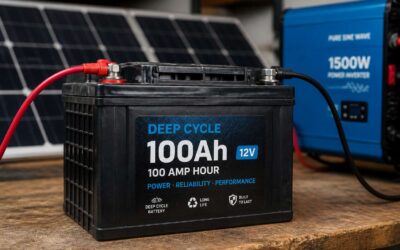
Voltage and capacity basics at a glance: match nominal voltages to your system (commonly 12V or 24V) and read Ah ratings for usable energy. A simple rule—Wh equals volts times Ah—applies. For example, 12V/100Ah is about 1200Wh. DoD and cycle life matter as climate and usage vary.
Discharge rate and cycle life
Across South Africa, a 40% surge in off-grid setups has Durban rooftops waking with quiet power. The durban deep cycle battery sits at the heart of this energy tapestry, delivering steady current through long nights and sunlit days with quiet resolve.
Discharge rate is the heartbeat of performance. A durable deep cycle needs a discharge profile that matches your inverter and loads, not one that forces voltage sag. Low internal resistance helps fridges, lights, and laptops run smoothly.
- Discharge rate aligned to your load profile
- Cycle life under your DoD window
- Temperature tolerance and operating range
- Warranty and after-sales support
Cycle life matters, and a quality unit offers thousands of cycles at sensible DoD. This endurance keeps the durban deep cycle battery reliable through Durban’s heat and cool nights.
In the garden of power, reliability is the crown jewel that quietly travels from rooftop to cellar, ensuring power arrives when the grid falters.
Reserve capacity and C-rate explained
Across South Africa, a 40% surge in off-grid setups has Durban rooftops waking with quiet power. The durban deep cycle battery sits at the heart of this energy tapestry, delivering steady current through long nights and sunlit days with quiet resolve. For performance, look beyond kilowatts and inches of capacity—reserve capacity and C-rate are the quiet governors, shaping how your system handles a fridge, lights, and a laptop when the grid yawns.
Reserve capacity explains how long a fully charged unit can sustain a defined draw before the voltage dips; typically tested at 25 amps. The C-rate expresses discharge current as a multiple of capacity (for a 100 Ah cell, 0.5C means 50 A). A higher RC and a suitable C-rate ensure peak loads are handled smoothly, especially during heat waves.
Lead-acid vs lithium options in Durban
Across South Africa, off-grid setups are multiplying, and Durban rooftops are waking to silent, reliable power in rising numbers—roughly 40% growth last year. That energy tapestry hinges on more than a sticker on a box; it relies on steady performance when the grid yawns.
When you navigate the durban deep cycle battery landscape, the choice isn’t only about price. Lead-acid offers rugged cost efficiency but heavier packs and shorter cycle life; lithium delivers lighter, longer-lasting energy with quicker recharge—ideal for a fridge, lights, and a laptop during heat waves.
- Cycle life and depth of discharge you can rely on
- Weight, space requirements, and mounting flexibility
- Temperature tolerance and charging profiles for Durban climate
Balancing these factors helps you future-proof a Durban home or business against rolling outages and scorching afternoons, without overspecifying the budget.
Temperature tolerance and efficiency
Durban’s sun tests resilience, and a durban deep cycle battery must stay calm when the grid falters; with roughly 40% growth in off-grid adoption last year, resilience isn’t optional. In hot, humid afternoons, efficiency isn’t a luxury — it’s a lifeline. The best options shine not only in price, but in how they handle heat, recharge speed, and steady performance through outages!
- Temperature tolerance: broad operating range (ideally -20°C to 60°C) with minimal capacity loss.
- Charging efficiency: high round-trip efficiency and adaptive charging profiles suited to Durban climate.
- Humidity and venting: robust seals and safe venting to prevent moisture-induced degradation.
Choose a unit that scales its performance with humidity and heat waves, rather than sweating it out. Look for good energy density and thermal stability, plus a warranty that reflects the temperatures Durban dwellings endure.
Maintenance requirements
Heat, humidity, and rolling outages—Durban documents them as standard operating procedure. A durban deep cycle battery must stay calm when the grid falters and the house breathes with muggy afternoons. I look for units that show real resilience under sun-scorched conditions, delivering steady voltage, quick recharges, and a calm demeanor when demand spikes.
Performance and specs to look for include robust cycle life, high round‑trip efficiency, and adaptive charging profiles tuned for Durban’s climate. The best options deliver strong energy density without swelling at high temperatures and offer a warranty that mirrors that resilience.
- High cycle life with long endurance
- Excellent round-trip efficiency
- Thermal stability and robust humidity seals
- Adaptive charging profiles for hot climates
For a durban deep cycle battery, consider models with corrosion-resistant terminals and low self-discharge, plus maintenance guidelines that fit your home. Keep terminals clean and connections tight; store in a shaded area while charging, and follow the manufacturer’s service intervals to preserve capacity.
Durability and reliability for Durban environments
Weather and climate considerations
Durban’s summer routinely pushes temperatures into the low 30s Celsius, and humidity adds an extra layer of pressure. In this climate, a durban deep cycle battery faces more than routine discharge—it must withstand heat, salt air, and shifting coastal gusts that can stress terminals and reduce capacity.
I’ve seen batteries perform where corrosion resistance and a sturdy case are not luxuries but lifelines! Look for sealed housings, rugged terminals, and vents designed to cope with rapid temperature swings. The goal is reliability through countless hours of cycling.
Key durability cues to expect in Durban include:
- Thermal management and venting systems
- Sealed, corrosion-resistant enclosure
- Rugged terminals and moisture seals
- Secure mounting to handle coastal gusts
Beyond raw endurance, the value emerges in trusted performance across seasons. A durban deep cycle battery not only holds charge but preserves it where it matters most, keeping lights on and systems humming when storms roll in.
Vibration resistance for off-grid setups
Durability in Durban’s embrace isn’t a luxury—it’s a requirement. A durban deep cycle battery is engineered to endure coastal exposure, with robust enclosures and secure terminals that resist salt spray and gusts. In this climate, reliability means steady energy delivery across seasons, not hype. Expect reinforced casings and non-conductive mounts that keep the pack aligned during long, heavy-duty cycles, so lights stay on and lives keep moving when storms roll in!
When off-grid setups demand resilience, vibration resistance becomes a core asset. The same Durban-focused design translates into rugged mounting points, shock-absorbing spacers, and terminals sealed against dust and moisture. With proper deployment, the battery maintains consistent performance through rough terrain and long cycles, reducing maintenance days and keeping systems humming.
- anti-vibration mounting brackets
- sealed, moisture-resistant terminals
- rugged, impact-tolerant case design
Shelf life and storage tips
A Durban coast demands a durban deep cycle battery that can endure salt spray, heat, and humidity. Reliability isn’t optional—it’s built in. When the grid falters or storms roll in, you need energy that doesn’t quit!
Durability in Durban means vibration resistance and rugged execution. The design shows up in three hallmarks:
- anti-vibration mounting brackets
- sealed, moisture-resistant terminals
- rugged, impact-tolerant case design
Shelf life and storage sit at the heart of long-term reliability. In coastal climates, heat and humidity test the pack as seasons change. A well-sealed case and moisture-resisting terminals slow corrosion and help the battery keep its edge, even after many cycles. The Durban setting rewards design that holds charge and resists salt spray during long deployments.
Quality indicators and certifications
In Durban’s climate, a durban deep cycle battery earns its keep—”Only the tough survive”—when it passes tough real-world tests. Quality indicators aren’t decorative—they’re the difference between downtime and reliability in salt spray, heat, and humidity. Independent certifications and rigorous testing provide the confidence buyers crave.
- UN 38.3 safety testing
- ISO 9001 quality management
- ISO 14001 environmental management
- IP rating for moisture control
Durability is proven through endurance tests that mimic Durban deployments: thermal cycling, corrosion exposure, and field vibrations. A durban deep cycle battery earns trust when labs publish results and labels bear recognized marks that survive salt-laden air. Quality certifications map a clear path from factory to fleet, ensuring reliability when it matters most.
Warranty and service in Durban
Durban’s sun is a stern judge, and only the steadfast pass. A durban deep cycle battery is engineered to spin through heat, humidity, and salty air, delivering steady power when it’s needed most. Real-world tests—endurance, salt spray, and vibration—prove its durability in tough Durban deployments.
- Durability backed by local warranties and Durban-based service
- Rapid diagnostics and on-site replacement opportunities
- Accessible spare parts and trained technicians across the metro
Warranty and service in Durban are about peace of mind, not wait times. Clear coverage, honest diagnostic reporting, and quick response keep fleets moving and homes comfortable, even after the fiercest Durban storms. For households and businesses alike, the durban deep cycle battery offers resilience you can feel.
Installation, safety, and best practices
Proper installation steps
Installation begins with space and airflow. For a durban deep cycle battery, place it on a clean, dry surface, away from direct heat sources. Secure mounting, correct polarity, and neat cable routing set the tone for reliability.
Safety first: wear eye protection and gloves; disconnect the system before any work; avoid smoking or sparks near the terminals. Check for cracks, and keep batteries upright to prevent leaks. Never bypass safety devices or force connections.
Best practices focus on longevity and consistency. Use approved chargers, monitor charge levels, and keep terminals clean. Label the installation, map the wiring, and document maintenance. Regular checks help prevent downtime and protect assets.
Safe handling and charging
Power reliability in Durban hinges on installation that breathes. For the durban deep cycle battery, a clean, dry surface and thoughtful cable routing can trim downtime by up to 30% and keep performance steady through outages. Place the unit away from direct heat sources and secure it to prevent movement, because, frankly, a loose battery scolds like a clumsy guest at a dinner party.
Safety first: wear eye protection and gloves; disconnect the system before any work; avoid smoking or sparks near terminals. Keep batteries upright to prevent leaks, check for cracks, and never bypass safety devices—treat every terminal as a potential troublemaker and charm it into compliance!
- Use certified chargers
- Keep terminals clean and dry
- Secure mounting and neat cable routing
Best practices translate to longevity and steady performance. A tidy setup reduces downtime and preserves assets for longer.
Ventilation and fire safety
Durban’s power weather is mercurial, and the install is your quiet guardian. The durban deep cycle battery thrives on a clean, dry footprint with space to breathe. When heat and moisture stay in check, outages feel less chaotic and more manageable; the unit seems to hum with calm energy, even in the dark hours.
Safety comes first: I’ve seen rooms turn tense when air is restricted. Ventilation and fire safety aren’t afterthoughts; they’re the atmosphere that keeps smoke and heat at bay. Keep the unit upright and the workspace stable.
- Ensure the area is dry and ventilated
- Keep terminals clean and dry
- Secure mounting and neat cable routing
Best practices translate to longevity: a tidy, well-ventilated setup, paired with certified chargers, safeguards your assets and steady performance through outages.
Sizing and system design for homes
Installation is not a casual placement but a measured performance, a quiet choreography of space and silence. Place the durban deep cycle battery where it can breathe—dry air, steady footing, unobstructed airflow. Allow for clean cable paths and unobtrusive mounting so the unit stands sentinel, not spectacle!
Safety, the unspoken oath of the room, is about more than compliance. Keep rooms spacious enough for heat to dissipate, terminals protected, and air free of corrosives. An upright, stable orientation—I’ve seen how tidy routing keeps missteps from turning into sparks of chaos.
Best practices for sizing and system design demand a patient gaze. Map day-to-day energy use, consider future expansion, and align with a trusted charger. A thoughtfully sized system preserves performance through outages, turning power loss into a predictable rhythm rather than a siren!
DIY vs professional installation
Power outages are the uninvited guest in South Africa, and a well-placed durban deep cycle battery can turn a siren into a whisper.
Install it in a dry, ventilated space with a level, stable footprint. Let air flow, keep cables neat and unobtrusive, and mount so the unit stands guard rather than glare.
Safety is room culture. Ensure heat dissipates, protect terminals, and keep corrosives out of the air. An upright orientation and tidy routing reduce sparks and mishaps.
Best practices demand a patient gaze: assess day-to-day use, allow for future growth, and match with a trusted charger.
- DIY installation offers lower upfront costs but carries safety and warranty risks.
- Professional installation guarantees code compliance, warranty protection, and expert troubleshooting.
Buying guide and cost considerations in Durban
Where to buy in Durban
Durban’s humidity and summer heat stress batteries, so choosing the right energy reservoir isn’t just about price. A durban deep cycle battery is a commitment to longevity, heat tolerance, and a support network you can rely on. Prices vary more with chemistry and warranty terms than with flashy specs, and local distributors in KwaZulu-Natal shape the aftercare you’ll experience.
To navigate the market, focus on these broad signals:
- Warranty duration and after-sales service in KwaZulu-Natal
- Local stock and authorised Durban distributors
- Price ranges by chemistry, capacity, and cycle life
Where to buy: major electrical retailers, independent battery specialists, and online platforms delivering to Durban suburbs offer choices that suit different budgets and timelines. Compare stock availability, service networks, and return policies, and you’ll find a channel that aligns with climate, usage, and value.
Pricing ranges by chemistry
Power outages cast long shadows over Durban’s evenings, and a well-chosen durban deep cycle battery becomes the quiet beacon that never flickers. Prices drift more with chemistry and warranty than with flashy specs, and local KwaZulu-Natal distributors shape the aftercare that follows.
Buying in Durban means weighing chemistry, capacity, and cycle life. Lead-acid options keep entry costs down; AGM and gel blends offer longer lifespans; lithium iron phosphate commands a premium but promises lighter weight and faster recharge. Pricing ranges by chemistry, capacity, and cycle life for the durban deep cycle battery market.
Look for robust warranty and a solid service network, verify stock locally, and consider lifetime cost over the initial outlay. The durban deep cycle battery you choose should align with climate, usage, and the promise of years of dependable power.
Warranty options and after-sales support
Durban’s outages demand more than a quick fix; a durban deep cycle battery acts as a quiet anchor when the lights flicker! In Durban, pricing is driven more by chemistry and warranty than flashy specs, and the local service network shapes the after-sales experience.
Buying in Durban means weighing cost against long-term value: entry price, cycle life, and how easily you can access replacement parts for your durban deep cycle battery. Seek a warranty that covers both the cell stack and the installation, plus a service footprint across KwaZulu-Natal for diagnostics and support.
- Warranty length and what it actually covers
- Local stock levels and regional service points
- Authorized installers and after-sales support options
Ultimately, the right choice aligns climate, usage, and the promise of years of dependable power, with a price that pays for itself in reliability.
Energy efficiency and return on investment
Outages are a Durban reality, and reliability is a daily currency. A durban deep cycle battery turns flickering power into steady current, protecting essential loads and easing the stress of load shedding. There’s a quiet confidence in a system that keeps lights on during a storm of outages.
Buying in Durban means weighing upfront cost against long-term value. Price hinges on chemistry and warranty more than flashy specs, and a robust service footprint across KwaZulu-Natal reduces risk of downtime. Seek a warranty that covers both cell stack and installation, and confirm local stock levels and authorised installers.
- Upfront price vs cycle life and replacement costs
- Warranty length and coverage for both cells and installation
- Service footprint for diagnostics and parts access
These considerations translate into a clear ROI: energy efficiency, reduced outages, and dependable power over years, with costs paying for themselves through reliability.
Choosing a reputable supplier
Durban outages feel less like a nuisance and more like a budget buster—costing households and businesses a premium every time the lights flicker. Reliability is currency, and a durban deep cycle battery turns unpredictable current into steadier daylight.
Buying guide and cost considerations in Durban hinge on long-term value rather than flash price tags. Look for a reputable supplier whose warranty covers both cells and installation, and confirm stock levels across KwaZulu-Natal to minimize downtime.
- Upfront price vs cycle life and replacement costs
- Warranty length and coverage for both cells and installation
- Service footprint for diagnostics and parts access
Choosing a local distributor with authorised installers reduces risk, speeds maintenance, and keeps service parts within reach. The ROI is measurable: reliability compounds over years as outages become less painful, and the total cost of ownership trends downward.

0 Comments