Understanding Deep Cycle Batteries in New Zealand
What is a deep cycle battery?
“Energy independence is measured not in kilowatts, but in the quiet nights when the lights stay on.” In NZ, a deep cycle battery nz becomes a steadfast companion for farms, coastal cottages, and shed workshops. Built to endure long, steady draws and countless recharge cycles, it’s a patient workhorse, not a starter battery.
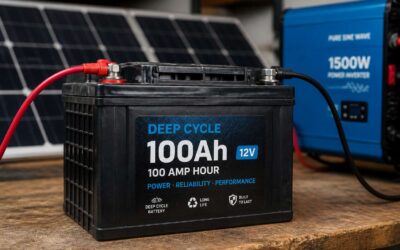
A deep cycle battery stores energy and releases it gradually, powering essentials through overcast days and winter storms. It’s rated by capacity (Ah) and cycle life, optimized for deep discharge and temperature tolerance—an ideal partner for solar arrays and remote NZ homes. For NZ contexts, the deep cycle battery nz delivers steady power through storms.
Here are common applications:
- Off-grid homes and sheds powered by solar
- Marine, caravan, and rural transport needs
- Solar-powered remote monitoring and equipment
Across the countryside, these batteries carry quiet strength, turning long nights into moments of continuity.
Why choose a deep cycle battery for NZ applications?
Power is not a number on a meter but a memory you keep when the night swallows the grid. In New Zealand, understanding deep cycle batteries matters for farms, coastal cottages, and shed workshops—spaces where the quiet hum of a charger becomes a lifeline.
The deep cycle battery nz offers sustained energy through long draws and storms, optimized for deep discharge and temperature tolerance, making it a natural partner for solar arrays and remote NZ homes. For readers in South Africa, the same logic travels: steady, patient power that doesn’t rush the cells or the charger.
- Capacity (Ah)
- Cycle life
- Depth of discharge
- Temperature range
- Charger compatibility
Across South Africa’s rural expanses, this quiet endurance translates into dependable power for homes, farms, and remote outposts, letting a day begin with light even after a stormy night.
Common chemistries used in New Zealand
“Power is memory you keep when the grid sleeps,” and in New Zealand that memory often comes from a patient deep cycle battery nz. Across coastal cottages and shed workshops, its steady energy keeps lights on through long nights and quiet storms.
Across NZ, common chemistries power these cells, each with its own legend:
- Flooded lead-acid: affordable, requires periodic checks.
- AGM/VRLA: sealed and resilient in cool, damp air.
- LiFePO4: lightweight, long life, versatile for solar banks.
Choosing the right chemistry depends on climate and cost, but all share a patient cadence. For NZ households—and as in South Africa—this quiet technology becomes a dependable partner for solar arrays and remote homes.
I live this story, where ions bend toward reliability and energy becomes a practical ally.
Key specifications to compare when shopping
Understanding deep cycle batteries is a quiet theatre of endurance. In South Africa’s off-grid nooks and SA’s solar-friendly enclaves, the deep cycle battery nz earns its keep not by shouting about peak amps but by patient discharge and a steadier voltage when the grid slips into sleep. It behaves like a reliable guest who never wears out their welcome—energy that lingers through long nights and stubborn storms.
To shop smart, compare key specifications that influence daily reliability rather than flashy ratings. Here are the fundamentals to notice:
- Cycle life and depth of discharge (DoD)
- Nominal voltage and capacity (Ah)
- Temperature tolerance and operating range
- Charge efficiency and Peukert’s exponent
- Warranty, weight, and physical footprint
Across New Zealand’s variable climate and South African import considerations, the choice comes down to cadence more than charisma—the patience of a battery that outlasts the weather. The deep cycle battery nz you pick should harmonize with your solar bank and the realities of long evenings when the grid is not available.
NZ-specific safety and compliance considerations
Energy storage is the quiet backbone of modern reliability, and in New Zealand the conversation around a deep cycle battery nz rests on safety with sparse flair. “Energy storage turns the clock into an ally,” a seasoned installer told me, and I felt that cadence whenever the grid yawns and the bank holds fast.
- AS/NZS 3000 electrical installation standards for safe battery integration
- WorkSafe NZ guidance on safe handling, ventilation, and storage
- UN38.3 transport and packaging rules for NZ-bound batteries
- Proper enclosure, ventilation, and fire suppression to mitigate temperature rises
In NZ, safety and compliance shape daily use—ventilated enclosures, certified charging gear, and installations that heed local rules ensure long evenings stay calm, even when the weather tests the grid.
Types of Deep Cycle Batteries Available in NZ
Flooded lead-acid deep cycle vs sealed options (AGM and Gel)
Power resilience is the story you tell after a storm; in NZ, more than 70% of off-grid successes hinge on the battery that keeps the lights on. The deep cycle battery nz has become the quiet hero, steady and enduring.
When choosing, you’ll encounter flooded lead-acid deep cycle and sealed options (AGM and Gel). Flooded batteries are the classic workhorses: affordable upfront and long-lasting with proper maintenance, but they demand ventilation and regular electrolyte checks.
- AGM: maintenance-free, ventless, and well suited to tight spaces or mobile setups.
- Gel: excellent vibration resistance and stable performance, though charging requires careful voltage control.
- Flooded lead-acid: cost-effective per cycle when cared for, with capacity to deliver high surge.
Sealed chemistries bring convenience and versatility, while flooded systems linger as budget-friendly options for larger installations. In the NZ market, the deep cycle battery nz dialogue weaves through homes and workshops, showing how these forms fit varied environments—and for South African readers, the same trio appears in many off-grid and backup setups.
Absorbent Glass Mat (AGM) batteries overview
AGM batteries, or Absorbent Glass Mat in sealed form, are the quiet workhorses of the deep cycle world. Maintenance-free and often ventless, they fit tight spaces, caravans, and compact off-grid nooks. They welcome swift charging and resist spills, which matters when the power sits at the heart of a home or workshop. In the deep cycle battery nz conversation, AGM sits at the intersection of convenience and steadfast performance.
- Sealed design and vent-free operation reduce risk of leaks in mobile or sheltered settings.
- Strong vibration resistance for trailers, boats, and portable builds.
- Maintenance-free behavior means fewer electrolyte checks and simpler upkeep.
- Efficient acceptance of typical off-grid charging profiles, supporting longer cycles.
These traits make AGM a versatile choice for South Africa and NZ alike, where space is precious and reliability never goes out of fashion.
Gel batteries vs lithium-based chemistries (LiFePO4)
In the NZ off-grid scene, gel and LiFePO4 batteries stand at opposite ends of the spectrum, both whispering reliability. Gel cells offer sealed, spill-free operation and steady endurance, while LiFePO4 delivers longer life and lighter packs—the heartbeat of the deep cycle battery nz.
- Gel batteries: sealed, low self-discharge, robust against vibration, slower charge acceptance, and temperature sensitivity.
- LiFePO4: long cycle life, lighter weight, high depth of discharge, and the need for a reliable BMS and proper charging.
In NZ settings—rural homesteads, caravans, or boats—the decision hinges on how you balance upfront cost against longevity, charging compatibility with solar or wind, and temperature resilience. Both chemistries fit, but your climate and usage shape the outcome.
For many, the deep cycle battery nz choice reveals itself as a quiet chronicle of resilience, efficiency, and energy. I’ve learned that the right balance between cost and life turns a shed into a steady beacon.
Lithium vs lead-acid for NZ use cases
Power is the quiet engine of resilience, and in SA and NZ alike, the deep cycle battery nz choice shapes days and nights with the sun as ally. From budget-friendly flooded lead-acid to nimble LiFePO4, there is a spectrum that listens to solar harvests and coastal winds.
Lead-acid families—flooded, AGM, and Gel—offer rugged reliability at a gentler price, yet they require venting, maintenance, and careful charging. LiFePO4 brings longer life, lighter packs, and deeper usable capacity, but it relies on a solid BMS and appropriate charging profiles.
Availability and supplier considerations in the NZ market
Power reliability isn’t a luxury—it’s a lifeline when the sun sinks and storms roll in. In NZ, a deep cycle battery nz is the quiet backbone that keeps the lights on during winter. “The battery is the quiet engine behind resilience,” an installer once told me.
Across NZ, you’ll encounter flooded lead-acid, AGM, and Gel variants, plus the ever-popular LiFePO4. Availability is robust thanks to local distributors and imports from Australia and Asia, with price, warranty, and charging compatibility shaping the choice as much as capacity.
- Regional stock breadth and delivery options
- Warranty terms and local service networks
- Compatibility with NZ charging standards and BMS requirements
Supplier considerations in the NZ market balance price against service. Look for partners who can back products with solid support, timely turnarounds, and a range of chemistries suited to both off-grid huts and coastal homes in SA and NZ.
Choosing the Right Battery for Your NZ Application
Off-grid solar and home battery sizing in NZ
Across New Zealand’s variable climate, choosing the right deep cycle battery nz is the quiet engine behind dependable off-grid solar. “Power is patience, stored in the right battery,” a seasoned installer likes to say. Whether you’re in South Africa or New Zealand, the principle holds. It’s not about flash-in-the-pan capacity alone but how the battery forgives daily cycling, handles cold mornings, and returns power when you need it most.
- Expected daily draw (Ah)
- Depth of discharge and cycle life
- Temperature tolerance and venting needs
- Inverter charging limits and compatibility
When sizing for a NZ home, reflect on daily usage and the variability of sun, while ensuring harmony with your inverter and charge controller—a quiet pact between sun, storage, and staying powered through the night.
Marine, caravan and RV applications in NZ
“Power is patience, stored in the right battery.” On the road or at anchor, choosing the right battery for NZ marine, caravan and RV adventures is a blend of endurance and practicality. A dependable deep cycle battery nz is more than a box of watts—it’s a partner that forgives daily use, endures chilly dawns, and powers memories into the night.
- Consider daily draw and reserve capacity to avoid deep discharges
- Choose a form factor and weight that fits your boat or van
- Confirm inverter and charger compatibility plus any DC-DC links
In varied NZ climates, choose a model that breathes with temperature swings and comes with clear warranty support.
Backup power for homes and small businesses
Backup power is not a luxury—it’s peace of mind. For South African homes and small businesses, a reliable deep cycle battery nz keeps lights on and essential gear running during outages. The right choice isn’t just about capacity; it’s endurance, temperature tolerance, and how the battery handles daily use.
- Spare runtime versus daily demand
- Space and weight to suit the install
- Power conversion gear compatibility, including DC-DC links
- Warranty clarity and reliable post-sale support
Choosing a deep cycle battery nz means balancing these factors with climate realities and available space. A model that fits the footprint, works with the inverter and charger, and offers clear warranty support keeps outages from becoming costly downtime.
How to size a battery bank for NZ climate and sun patterns
Size right, and you outwit the night itself—your deep cycle battery nz becomes a quiet herald of reliability. In NZ climate, where sun patterns shift with the seasons and outages loom, the art of sizing is a map: you balance daily demand with the generous, but fickle, southern sun. A well-chosen bank respects space, weight, and the duty of the inverter that must coax energy from silence.
- Sun-hours alignment with seasonal NZ patterns
- Physical footprint and mounting constraints
- System compatibility with inverter and charger
Measured planning today keeps tomorrow’s outages from muting the room with doubt; size then, and you invite resilience rather than compromise.
Charging, Maintenance and Longevity in NZ Conditions
Charging best practices and recommended C-rates
Charging is the quiet backbone of any power system. In NZ, where coastal damp and winter cold test battery life, a disciplined approach to charging can dramatically extend life. A well-managed deep cycle battery nz stays reliable when days grow short and storms roll in.
Charging best practices and C-rates that fit most NZ setups are simple to adopt:
- Lead-acid deep cycle: bulk charging at 0.2C–0.3C; taper to float as current falls to 3–5% of capacity; avoid frequent equalization unless specifically recommended by the manufacturer.
- Keep temperatures within 15–25°C; use a temperature-compensating charger to prevent overcharging in heat or loss of capacity in cold.
- For LiFePO4 options, 0.5C–1C charging is common; ensure the charger supports this and stage the charge to minimize voltage spikes.
Longevity comes from consistency. Temperature control, regular inspections, and using the right charger prevent sulfation and capacity fade, keeping the deep cycle battery nz performing in demanding conditions.
Temperature effects on performance in NZ seasons
Charging is the quiet backbone of any power system, especially in NZ where coastal damp and winter cold test a battery’s mettle. I’ve learned a well-tuned deep cycle battery nz endures long nights and changing skies, balancing calm summers with storms. Temperature is the silent predictor of performance across NZ’s seasons.
In NZ’s temperate extremes, temperature shapes performance, written in voltage and run-time:
- Warm days accelerate aging and parasitic losses, nudging capacity downward.
- Cold snaps slow reactions and lower usable capacity, making the battery feel sluggish in the early hours.
- Coastal damp can corrode connections if sealing isn’t robust and ventilation remains prudent.
- Temperature fluctuations alter internal resistance, subtly shifting how the battery behaves during charging.
Longevity rests on consistency—the quiet rhythm between charging, cooling, and regular inspections. In NZ conditions, balance preserves energy when days grow short and storms arrive!
Maintenance routines to extend life
Charging is the quiet backbone of a resilient energy future, and in NZ the rhythm of sea breeze and cloud cover keeps that backbone honest. A well-tuned deep cycle battery nz holds its charge through damp coastal dawns and brisk winter nights, turning shy sunlight into steady, dependable power.
Maintenance weaves a protective spell around the bank, especially as NZ seasons flicker between warm days and damp nights. Consider these timeless touchpoints:
- Regularly check connections and clean terminals to curb parasitic losses
- Keep the enclosure dry and ensure adequate ventilation to prevent corrosion
- Avoid leaving the battery in a deeply discharged state during long quiet spells
Longevity blooms from consistency—the gentle balance of charging cadence, cooling, and attentive inspections, so that days grow short and storms arrive with confidence.
Safety handling and installation tips
Power is a patient specter, waiting in the quiet hours. In NZ’s coastal air, the deep cycle battery nz tests its mettle against damp mornings and brisk evenings, demanding respect and restraint. For readers in South Africa, a kindred obsession with reliability under variable weather makes this a study in tempering energy with quiet, stubborn grace.
Charging anchors resilience. NZ conditions reward a calm, temperature-aware approach. Keep the charger matched to the battery type and avoid extremes that exhaust the cells. In a well-ventilated space, charging hums with steady cadence, turning shy sun into real power.
- Temperature-aware charging
- Avoid prolonged top-ups that stress cells
- Maintain quality connections and clean terminals
Maintenance becomes a nightly vigil. Inspect terminals for signs of corrosion, keep the enclosure dry, and ensure the system can breathe. Avoid letting the battery linger in deep discharge during long quiet spells, especially through damp spells that whisper of decay.
Longevity is a patient harvest, born of cadence and care. A well-chosen enclosure, mindful placement, and gentle temperature handling let the deep cycle battery nz endure through seasons and storms. Safety handling and installation tips: respect moisture, secure mounting, and maintain ventilation to safeguard both people and hardware.
Monitoring and diagnostics to prevent failure
Charging in NZ’s temperate yet tempestuous climate demands a calm, temperature-aware approach. For deep cycle battery nz performance, matching the charger to the battery type and avoiding extremes keeps cells from fatigue. In well-ventilated spaces, charging settles into a steady cadence, turning cloudy mornings into tangible power. For readers in South Africa, the principle holds.
Maintenance becomes a nightly vigil. Inspect terminals for corrosion, keep the enclosure dry, and ensure the system can breathe. Monitoring and diagnostics prevent failure by keeping a watch on voltage behavior, temperature swings, and the integrity of connections.
Longevity rewards cadence and care. A well-placed enclosure, mindful airflow, and gentle temperature handling extend the life of deep cycle battery nz through seasons and damp spells. Ongoing diagnostics and disciplined upkeep are the quiet guarantors of resilience.
Buying Guide, Warranty and Sustainability in New Zealand
Where to buy deep cycle batteries in NZ (retailers and online)
In New Zealand, the breadth of options for a deep cycle battery nz is both a blessing and a craft. Across shores, trusted brands pair longevity with resilience, ideal for off-grid cabins or boats that kiss the ocean wind!
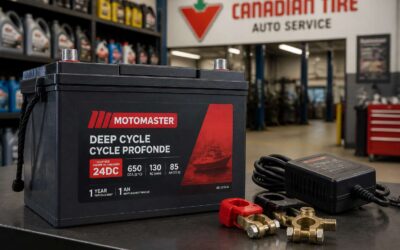
- Major automotive and hardware retailers in NZ often stock deep cycle batteries suitable for daily readiness.
- Online stores and official brand sites offer nationwide delivery, with transparent warranty terms.
- Solar, marine, and RV specialists provide consultative advice and after-sales support.
For South African readers evaluating NZ options, the buying landscape remains straightforward: seek reputable retailers, compare warranty terms, and consider sustainability programs that cover recycling and responsible disposal. Warranties in NZ commonly span several years, with pro-rated support and clear service guidelines designed to outlive the weather and the season.
Warranty terms and after-sales service in NZ
New Zealand’s market for deep cycle battery nz is robust, where trusted brands pair longevity with resilience. From off-grid cabins to boats that kiss the ocean wind, these packs promise steady power when the grid yawns. The right choice blends reliability, service, and real-world performance.
Buying decisions and warranty terms converge in NZ with clear signals: choose reputable retailers, read warranty terms carefully, and value solid after-sales support. NZ warranties typically carry several-year coverage, often pro-rated, with defined service guidelines that weather the seasons.
- Warranty length and transferability
- Authorized service network and spare parts
- Recycling programs and responsible disposal
- Delivery coverage and professional installation support
Sustainability isn’t an afterthought; NZ recycling schemes and responsible disposal align with local rules. For South African buyers, these terms spotlight a responsible procurement model and cross-border assurance.
Total cost of ownership and long-term savings
Power reliability isn’t a luxury; it’s the quiet engine behind every NZ homestead and harbour-side workshop. When choosing a deep cycle battery nz, look beyond price: consider brand durability, reputable retailers, and clear warranty terms that travel with you from grid to the stormy coast.
Warranty and sustainability walk hand in hand in New Zealand. A good deep cycle battery nz is backed by years of coverage, often transferable, and backed by an authorized service network with readily available spare parts. NZ recycling programs close the loop, keeping old cells out of landfills and your energy footprint lighter.
Total cost of ownership hinges on long-term performance and service value, translating into long-term savings. A thoughtful purchase blends upfront cost with reliable after-sales support, delivering enduring advantages for SA buyers seeking cross-border assurance and a procurement model that respects local rules and global responsibility.
Recycling, disposal and environmental considerations in NZ
Power reliability isn’t a luxury; it’s the quiet engine behind every NZ homestead and harbour workshop. When buying a deep cycle battery nz, look beyond price: assess brand durability, choose reputable retailers, and read warranty terms that travel with you from grid to storm!
Warranty and sustainability walk hand in hand in New Zealand. A solid battery is backed by long-term coverage, ideally transferable, with a nationwide service network and readily available spare parts. NZ recycling programs close the loop, keeping old cells out of landfills and lightening your energy footprint.
Disposal and environmental considerations are part of a smarter purchase. Use approved collection points and take-back schemes to ensure used batteries are recycled properly, protecting soil, water and coastal ecosystems.
Brand reputation and supporting local businesses in NZ
Brand credibility shapes every Buying Guide choice when shopping for a deep cycle battery nz. A single reliable contact in an outage beats a shelf full of bargain brands. As one NZ supplier puts it, ‘A battery is only as good as the service behind it.’ Durability shows through a transparent warranty and a locally networked service footprint, making peace of mind part of the package.
- NZ-based service network
- Transferable warranty
- Local spare parts availability
Warranty and sustainability walk hand in hand in New Zealand. A solid battery is backed by long-term coverage, ideally transferable, with a nationwide service network and readily available spare parts. NZ recycling programs close the loop, keeping old cells out of landfills and lightening your energy footprint. Supporting local businesses strengthens the whole supply chain—from manufacturers to retailers across towns and coastlines!

0 Comments