Understanding Deep Cycle Batteries
What Are Deep Cycle Batteries?
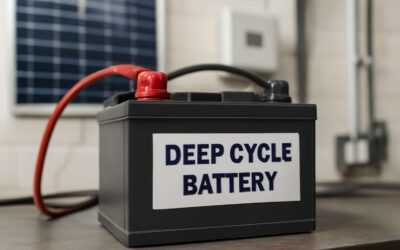
Deep cycle batteries often evoke images of tranquil lakes and endless energy reserves, yet their true purpose often remains misunderstood. Unlike traditional car batteries, which are designed for brief, high-intensity bursts, deep cycle batteries excel in providing a steady, reliable flow of power over extended periods. This unique characteristic makes them the preferred choice for renewable energy systems, off-grid cabins, and even marine adventures in South Africa’s diverse landscapes.
But what about their role in starting engines? The question lingers: can you use deep cycle battery for starting? While their robust design can handle some sudden demands, they are not inherently optimized for the rapid, high-current output needed to ignite an engine instantly. To truly grasp their potential, it’s essential to understand the core differences between deep cycle batteries and their cranking counterparts.
- Deep cycle batteries are built for sustained energy release, not quick surges.
- They feature thicker plates and a different internal architecture designed for longevity and repeated deep discharges.
- Cranking batteries, on the other hand, prioritize immediate power delivery, making them ideal for starting engines.
Key Characteristics of Deep Cycle Batteries
Understanding the core characteristics of deep cycle batteries reveals a fascinating paradox: their design is optimized for endurance rather than immediate power. Unlike the rapid surge required to ignite an engine, deep cycle batteries deliver a consistent, sustained flow of energy—think of it as the steady heartbeat of renewable energy systems and off-grid setups in South Africa’s rugged terrain. Their thicker plates and specialized internal architecture enable repeated deep discharges, making them resilient over time.
But this resilience prompts a question that often lingers in the minds of enthusiasts and professionals alike: can you use deep cycle battery for starting? The answer is nuanced. While they possess the durability to handle some sudden demands, their design is not inherently suited for the high-current bursts needed for engine ignition. Instead, cranking batteries excel in this role, delivering immediate power when it’s most crucial.
Common Uses and Applications
Deep cycle batteries have become the backbone of many off-grid and renewable energy systems in South Africa, prized for their ability to endure repeated discharges and provide a stable energy source. Yet, when it comes to starting engines, the question often arises: can you use deep cycle battery for starting? The answer isn’t straightforward. These batteries excel in delivering a slow, steady current over extended periods—perfect for powering lights, appliances, or solar setups. However, their design isn’t optimized for the rapid, high-current surge needed to ignite an engine’s starter motor.
Most users find that relying solely on a deep cycle battery for starting can be inefficient, especially in critical moments when immediate power is essential. Instead, dedicated cranking batteries are engineered precisely for this purpose, capable of releasing a burst of energy in an instant. Nonetheless, some hybrid deep cycle batteries are designed with enhanced cold cranking amps (CCA), blurring the lines between the two types. Understanding these nuances is crucial in South Africa’s rugged terrains, where dependable vehicle starting can mean the difference between adventure and immobilization.
Differences Between Deep Cycle and Starting Batteries
Design and Construction
When considering whether you can use a deep cycle battery for starting, understanding their fundamental design differences is crucial. Deep cycle batteries are engineered to deliver a steady amount of power over a long period, making them ideal for sustained energy needs like powering boats or solar systems. In contrast, starting batteries are built for quick, high bursts of power needed to ignite engines. Their construction involves thinner plates packed with active material, enabling rapid energy release but limiting their longevity under continuous use.
Using a deep cycle battery for starting may seem tempting, but it’s like fitting a square peg into a round hole. Deep cycle batteries excel in deep, repeated discharges, but they lack the high cranking power required to start engines efficiently. If you find yourself asking, “can you use deep cycle battery for starting,” remember that the answer hinges on understanding these distinct design elements. For reliable engine starts, a dedicated starting battery remains the best choice, ensuring both performance and longevity.
Electrical Characteristics
When examining the electrical characteristics of deep cycle versus starting batteries, the differences are stark and telling. Deep cycle batteries are designed with thick plates and robust construction, allowing them to provide a steady flow of power over extended periods. This makes them perfect for applications requiring sustained energy, such as solar systems or marine use. Conversely, starting batteries feature thinner plates packed with active material, enabling rapid energy release—an essential trait for engine cranking.
So, can you use deep cycle battery for starting? The answer hinges on these electrical nuances. While deep cycle batteries can deliver some brief bursts of power, their design is not optimized for high cranking currents. This often results in sluggish engine starts or, worse, damage to the battery over time. For the most reliable engine ignition, a dedicated starting battery remains the preferred choice, ensuring both performance and durability.
Performance in Different Scenarios
In the realm of automotive and renewable energy applications, the question often arises: can you use deep cycle battery for starting? The answer is a nuanced one. Deep cycle batteries excel at providing a steady, sustained flow of power—perfect for long-term energy needs like solar power systems or marine ventures. However, their design isn’t optimized for the explosive burst of current required to fire up an engine. That’s where dedicated starting batteries shine, with their thin plates and active material tailored for rapid energy release.
When considering performance in different scenarios, it’s clear that trying to substitute a deep cycle battery for a starting purpose is akin to fitting a square peg into a round hole. While a deep cycle can handle brief power demands, it often falters under the high current loads of engine cranking. This mismatch can result in sluggish starts or even damage to the battery, especially if you’re relying on it daily in South Africa’s unpredictable climates. For robust and reliable engine ignition, the best bet remains a purpose-built starting battery—though, of course, the question lingers: can you use deep cycle battery for starting? The short answer is, not ideally.
Can Deep Cycle Batteries Be Used to Start Engines?
Compatibility with Starter Motors
In the shadowy realm of power sources, a question lingers like a ghostly whisper—can you use deep cycle battery for starting? Many believe these batteries are solely crafted for prolonged, steady energy output, yet their resilience hints at a hidden versatility. While traditional lead-acid starter batteries are designed to deliver quick bursts of high current, deep cycle batteries are more about endurance and deep discharges. But that doesn’t mean they are entirely incompatible with starter motors.
Deep cycle batteries can, under certain conditions, provide enough torque to crank an engine, especially if they are of high quality and properly maintained. However, their ability to reliably start an engine depends on the specific requirements of the vehicle and the battery’s capacity to deliver instant power. For instance, vehicles with larger engines or high compression may demand a more dedicated starting battery. Still, in a pinch, a well-chosen deep cycle battery might just be the dark horse you need in your arsenal.
- Ensure the deep cycle battery has a high cold cranking amp (CCA) rating.
- Verify compatibility with your starter motor’s power demands.
- Maintain the battery in pristine condition to maximize its cranking potential.
Ultimately, the answer to whether you can use deep cycle battery for starting hinges on the specific scenario, but with careful selection, they can serve as a formidable alternative—an echo of resilience in the face of mechanical despair.
Pros and Cons of Using Deep Cycle Batteries for Starting
In the realm of vehicle power sources, a question persists like an echo in the shadows—can you use deep cycle battery for starting? While these batteries are renowned for their ability to endure deep discharges, many wonder if they can handle the surge of power needed to crank an engine. The truth is, deep cycle batteries are not traditionally designed for this purpose, but their robustness can sometimes surprise you.
Using a deep cycle battery for starting isn’t without risks. They typically offer lower cold cranking amps (CCA) compared to dedicated starter batteries, which may lead to insufficient torque for larger engines. However, if the deep cycle battery has a high CCA rating and is well-maintained, it can sometimes serve as a temporary solution—especially in emergencies.
- Ensure it has a high CCA rating
- Verify compatibility with your vehicle’s power demands
- Maintain optimal charge levels
While it’s tempting to rely on a deep cycle battery for starting, it’s essential to understand the potential trade-offs. They excel at providing steady, long-term power but may falter under the sudden, high-current demands of engine ignition. So, can you use deep cycle battery for starting? Under specific conditions, yes—but with caution and proper preparation, they just might become your unexpected hero in the mechanical shadows.
Potential Risks and Damage
In the mystical realm of vehicle power sources, the question persists like a whispered legend—can you use deep cycle battery for starting? While these batteries are celebrated for their ability to endure deep discharges, their capacity to deliver the sudden, high surge of power required to ignite an engine remains a subject of debate. Deep cycle batteries are crafted for steady, prolonged power, making them the silent guardians of long-distance journeys rather than the fiery champions of engine cranking.
Potential risks loom like shadowed adversaries when attempting to use a deep cycle battery for starting. Their lower cold cranking amps (CCA) compared to dedicated starter batteries can lead to insufficient torque, especially in colder South African mornings. Overloading them with high current demands may cause premature wear or even irreversible damage. To navigate these treacherous waters, verify if the deep cycle battery has a high CCA rating and maintain optimal charge levels vigilantly. Sometimes, a well-charged deep cycle battery can serve as a temporary solution, but only with cautious regard for its limitations.
Situations Where Deep Cycle Batteries Might Be Suitable for Starting
Emergency and Backup Situations
In the world of emergency preparedness and backup power solutions, the question often arises: can you use a deep cycle battery for starting? While deep cycle batteries excel at providing sustained power over long periods—think powering off-grid cabins or running solar setups—they’re not typically designed for the quick, high-current bursts needed to start an engine. Yet, in a pinch, some savvy folks have found creative ways to leverage their deep cycle batteries for starting purposes.
For instance, in remote South African farms where traditional starter batteries are hard to come by, deep cycle batteries have been repurposed as emergency starters. They’re especially useful if you’re in a bind and need to keep machinery, boats, or even backup generators running. Just remember, while they might do the trick temporarily, they are not a substitute for purpose-built starter batteries, which are optimized for that initial jolt of power.
- Limited capacity for high current draws
- Potential for reduced lifespan if used improperly
- Risk of damage if repeatedly subjected to high starting currents
So, can you use deep cycle battery for starting? Technically, yes, but with caveats. Use them as a backup solution, not your primary starter, and you’ll avoid turning your engine into a paperweight.
Uses in Specific Vehicle Types
In some corners of South Africa, where rugged terrain and unreliable power grids are the norm, folks have become masters of improvisation. So, the question arises: can you use deep cycle battery for starting? While these batteries are champions of sustained power, they’re not exactly the first choice for quick engine ignition. However, in remote farms or off-grid adventures, a deep cycle battery can occasionally step into the starter role—if you’re in a pinch and prepared for some potential pitfalls.
Particularly for specific vehicle types like boats, solar-powered machinery, or even some off-road vehicles, deep cycle batteries may serve as a backup starting power source. For example, in a situation where traditional starter batteries are unavailable or damaged, a deep cycle battery—especially one with higher capacity—can provide that necessary jolt. Just keep in mind, their limited ability to handle high current draws means they’re more of a temporary hero than a reliable sidekick for daily starts.
- Marine engines, where deep cycle batteries are already common for powering accessories, can sometimes be started with the same battery if needed.
- Electric vehicles or hybrid setups that utilize large deep cycle batteries may occasionally rely on them for starting, but only with proper configuration.
In essence, can you use deep cycle battery for starting? It’s not the perfect solution, but under the right circumstances, it’s a resourceful workaround—just don’t expect it to replace your dedicated starter battery forever. After all, a little ingenuity can go a long way when you’re stranded in the South African wilderness.
Hybrid Battery Systems
In the rugged landscape of South Africa’s remote farms and off-grid sanctuaries, the boundaries of traditional electrical systems often blur, forcing a reconsideration of what constitutes a versatile power source. When the engine’s roar is abruptly silenced by a failing starter battery, the question echoes with urgency: can you use deep cycle battery for starting? This query isn’t merely about convenience; it’s about survival in environments where ingenuity and resourcefulness dictate the difference between progress and stagnation.
Deep cycle batteries, renowned for their ability to sustain prolonged power delivery, are seldom the first choice for quick engine ignition. Their design prioritizes consistent energy output over the high current spikes required for starting engines. Yet, in situations where conventional starter batteries are inaccessible or have succumbed to the relentless elements, a deep cycle battery—particularly one with higher capacity—can serve as a makeshift starting power source. This scenario is especially common in marine engines, where deep cycle batteries power accessories and are occasionally called upon to initiate the engine’s fire.
- In off-grid vehicle setups, where traditional battery configurations are impractical, deep cycle batteries can temporarily bridge the gap.
- For hybrid and electric vehicles utilizing large battery packs, the possibility of employing a deep cycle battery for starting hinges on meticulous system design and proper configuration, ensuring the high current demand can be met without risking damage.
While not an ideal solution, understanding the circumstances under which deep cycle batteries might be suitable for starting can be invaluable. It’s a testament to the adaptive spirit that thrives in South Africa’s wilderness—reminding us that sometimes, a little creative adaptation can turn a potential setback into a moment of triumph. Just remember, this workaround is a temporary measure; a dedicated starter battery remains the steadfast guardian of reliable engine ignition.
How to Properly Use a Deep Cycle Battery for Starting
Recommendations and Best Practices
In the realm of automotive power solutions, a tantalizing question often arises: can you use deep cycle battery for starting? It’s a query that sparks both curiosity and skepticism, especially among seasoned mechanics and weekend warriors alike. While deep cycle batteries are renowned for their ability to provide sustained power over extended periods—think solar systems or marine applications—their suitability for starting engines is a bit more nuanced.
To ensure optimal performance and longevity, it’s crucial to follow some best practices. First, always verify the battery’s cold cranking amps (CCA); this metric indicates its capacity to provide the sudden jolt needed for engine ignition. If your deep cycle battery boasts a CCA that aligns with your vehicle’s requirements, it might just serve as a capable starter. However, avoid overtaxing the battery by attempting to start the vehicle repeatedly or in extreme weather conditions. Remember, the key to a successful swap lies in understanding that not all deep cycle batteries are created equal—some are better suited for starting than others.
Necessary Equipment and Accessories
In the world of automotive power solutions, the question still lingers: can you use deep cycle battery for starting? While these batteries excel in providing sustained energy over extended periods—perfect for solar setups or marine adventures—their role in starting engines is often misunderstood. Many enthusiasts, eager to innovate, consider repurposing deep cycle batteries for engine ignition, but is it truly advisable? The answer hinges on understanding the subtle intricacies of battery design and electrical demands.
To determine if your deep cycle battery can handle the sudden surge needed for starting, it’s essential to examine its cold cranking amps (CCA). This metric reveals the battery’s capacity to deliver a powerful jolt in a split second—crucial for engine ignition. If your deep cycle battery’s CCA aligns with your vehicle’s specifications, it may indeed serve as a temporary starter. However, be cautious—repeated attempts or extreme weather can strain the battery, risking premature failure.
When contemplating how to properly use a deep cycle battery for starting, consider these points:
- Ensure the battery’s CCA meets or exceeds your vehicle’s requirements.
- Limit the number of start attempts to prevent overheating and damage.
- Use appropriate cabling and connectors to facilitate efficient power transfer.
- Periodically monitor voltage levels to avoid over-discharge, which could impair performance.
Remember, while some deep cycle batteries might seem suitable for starting, they are inherently designed for a different purpose. The harmony between battery type and application is subtle but vital—misuse can lead to unexpected failures, especially in critical moments.
In South Africa’s diverse climate, where weather can swiftly turn hostile, understanding how to use a deep cycle battery for starting becomes even more pertinent. A well-informed approach ensures your vehicle remains reliable, whether you’re navigating urban streets or venturing into remote terrains. So, can you use deep cycle battery for starting? With careful consideration and proper handling, the answer might just be yes—if the circumstances are right and the specifications align.
Monitoring and Maintenance Tips
In the shadowed corridors of automotive power, a question lingers like a ghostly whisper—can you use deep cycle battery for starting? These batteries, with their deep reservoirs of sustained energy, are crafted for endurance, not sudden bursts. Yet, in the dim light of necessity, many wonder if they can serve as an emergency starter. The truth is, their design and electrical characteristics hold the key to this mystery. Deep cycle batteries are not inherently built for the rapid, intense current needed for engine ignition, but with careful monitoring, they may suffice in a pinch.
To safely harness a deep cycle battery for starting, vigilant oversight becomes paramount. Regularly check the voltage levels—over-discharge is a silent killer that can doom your battery prematurely. Use a multimeter or a dedicated battery monitor to keep tabs on the state of charge. Limit start attempts—each one draws a significant surge that can overheat the battery and hasten its demise. Proper cabling and connectors are non-negotiable; they ensure efficient power transfer and reduce resistance that could lead to heat buildup.
- Ensure the deep cycle battery’s cold cranking amps (CCA) meet or surpass your vehicle’s specifications.
- Limit the number of start attempts—preferably just one or two—to prevent unnecessary strain.
- Use thick, high-quality cables designed for high current flow to minimize energy loss.
- Periodically inspect and clean terminals to maintain optimal conductivity.
In South Africa’s unpredictable climate, where storms can roll in like dark omens, maintaining the health of your deep cycle battery for starting becomes more than routine—it’s essential. When handled with respect and attentiveness, a deep cycle battery can be a resilient, if unconventional, ally in your vehicular journeys, whether crossing urban shadows or braving remote wildernesses. The question remains—can you use deep cycle battery for starting? With the right precautions, the answer may just be a cautious yes, echoing through the darkened night of automotive uncertainty.
Alternative Solutions and Best Battery Choices for Starting
Starting Batteries and Their Advantages
When considering whether you can use a deep cycle battery for starting, it’s essential to explore alternative solutions. Traditional lead-acid starter batteries are designed specifically for quick bursts of high power, making them ideal for starting engines. However, some vehicle owners are curious about the advantages of hybrid battery systems that combine deep cycle and starter battery features. These systems can deliver steady power over time while still providing the initial surge needed to start an engine.
For those asking, “Can you use deep cycle battery for starting?” the answer depends on the application. While deep cycle batteries excel in sustained power delivery, they are generally not the first choice for engine cranking. Instead, the best battery choices for starting are:
- High-cranking lead-acid batteries
- Absorbed Glass Mat (AGM) batteries
- Gel batteries designed for high current
These options offer the rapid power output required for engine ignition, reducing the risk of damage and ensuring reliable starts. Understanding the advantages of each can help you make an informed choice that aligns with your vehicle’s needs and your budget.
Hybrid Options and Battery Combinations
When exploring alternative solutions for vehicle power needs, hybrid battery systems are gaining momentum, especially in regions like South Africa where reliability is paramount. These innovative setups blend deep cycle batteries with traditional starting batteries, offering a versatile approach to electrical demands. By combining the steady power delivery of deep cycle batteries with high-current capabilities, hybrid systems can efficiently handle both long-term energy needs and the quick bursts required for engine startups.
For those pondering, “can you use deep cycle battery for starting?” it’s vital to understand the specific demands of your vehicle. While deep cycle batteries are excellent for sustained power, they’re generally not optimized for the rapid, high-current surges needed during engine ignition. Instead, the best battery choices for starting include high-cranking lead-acid batteries, Absorbed Glass Mat (AGM) batteries, or gel batteries designed for high current output. These options are engineered to deliver the immediate power surge required, ensuring reliable engine starts every time.
- High-cranking lead-acid batteries
- Absorbed Glass Mat (AGM) batteries
- Gel batteries tailored for high current demands
Integrating these with deep cycle batteries in a hybrid system can unlock benefits like extended battery life and improved overall performance, making them a compelling choice for vehicle owners seeking adaptability and resilience on South Africa’s diverse terrains. Understanding these options helps in making informed decisions, aligning technology with your vehicle’s specific needs and your budget.
When to Upgrade or Switch Batteries
In the vast and rugged terrains of South Africa, the quest for reliable vehicle power often leads to intriguing questions—most notably, can you use deep cycle battery for starting? While these batteries shine in endurance and sustained energy delivery, their role in the high-demand world of engine ignition is complex. Alternative solutions like high-cranking lead-acid batteries, AGM batteries, and gel batteries are crafted specifically to handle the sudden surge of power needed during startup. These options are designed to release a burst of high current, ensuring your engine awakens smoothly, regardless of the weather or terrain.
For those contemplating an upgrade or considering hybrid battery systems, the key lies in understanding the unique demands of your vehicle. Hybrid options blend deep cycle batteries with high-current starters, creating a symphony of endurance and power. Such systems can extend battery life and elevate overall performance, especially in the unpredictable landscapes of South Africa. When evaluating whether to use a deep cycle battery for starting, it’s crucial to recognize the specific electrical requirements and choose the most suitable battery technology to guarantee reliability and longevity.
Final Considerations and Safety Precautions
Understanding Battery Ratings and Specifications
When contemplating whether you can use a deep cycle battery for starting, understanding the final considerations and safety precautions is paramount. These batteries are renowned for their endurance and ability to sustain deep discharges, making them invaluable in renewable energy systems and marine applications. However, their design isn’t inherently suited for the high current demands of engine cranking. As such, it’s essential to recognize the subtle yet critical differences in battery ratings and specifications before attempting to repurpose one for starting purposes.
Misusing a deep cycle battery for starting can lead to premature failure and safety hazards. To prevent such mishaps, always verify the battery’s cold cranking amps (CCA) and reserve capacity, ensuring they align with your vehicle’s requirements. Remember, a deep cycle battery’s strength lies in deep, repeated discharges—not rapid, high-current starts. For hybrid systems or specific vehicle types, consider the compatibility of your battery with starter motors. If in doubt, consult with a professional to avoid risking damage to your equipment or personal injury.
In essence, while it’s tempting to see a deep cycle battery as a versatile solution, the answer to whether you can use deep cycle battery for starting hinges on meticulous understanding and adherence to safety standards. Here are some essential points to keep in mind:
- Always check the battery’s specifications against your vehicle’s requirements.
- Be aware of the risks associated with high current demands on deep cycle batteries.
- Use appropriate safety gear and handle batteries with care to avoid accidents.
Safety Guidelines When Using Deep Cycle Batteries for Starting
When considering whether you can use a deep cycle battery for starting, safety and proper understanding are critical. Deep cycle batteries are engineered for sustained discharges, not the rapid current demands of engine cranking. Attempting to use them for starting without thorough knowledge can lead to damage or safety hazards. Always verify the battery’s cold cranking amps (CCA) and reserve capacity to ensure they meet your vehicle’s specifications.
One must remember that deep cycle batteries excel in scenarios requiring repeated deep discharges, but they are not optimized for high-current starts. Therefore, it’s essential to assess whether the battery’s ratings align with your engine’s demands. For added peace of mind, consider the following safety guidelines:
- Always wear appropriate safety gear when handling batteries.
- Handle batteries with care, avoiding short circuits and leaks.
- Consult with a professional if you are unsure about compatibility or safety measures.
Misusing a deep cycle battery for starting can accelerate wear and pose risks, so thorough evaluation is paramount. Recognizing these subtle yet significant differences ensures longevity and safety, making sure your vehicle’s starting needs are met without unintended consequences. After all, knowing if you can use deep cycle batteries for starting is not merely a technical question but a matter of safety and informed decision-making in the world of vehicle maintenance and renewable energy systems.
Consulting with Professionals
When contemplating whether you can use a deep cycle battery for starting, it’s essential to approach the decision with caution and a keen understanding of its limitations. While these batteries excel in providing steady, sustained power over extended periods, their design isn’t inherently tailored for the rapid, high-current demands of engine cranking. Overestimating their capacity in this area can lead to premature wear or even damage, jeopardizing both safety and the longevity of your vehicle’s electrical system.
For those considering a deep cycle battery as a starting solution, consulting with a professional is an invaluable step. They can evaluate your specific requirements, suggest suitable ratings, and ensure compatibility with your engine’s demands. Remember, safety should always remain paramount. Proper handling, protective gear, and adherence to manufacturer guidelines are non-negotiable. After all, the key to a reliable start lies in understanding that not all batteries are created equal — especially when it comes to the question, can you use deep cycle battery for starting? The answer hinges on informed choices and expert advice.

0 Comments