Understanding deep cycle battery sizes
Size basics and range
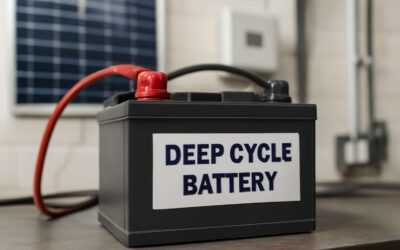
Sun-soaked South Africa demands more than flashy solar panels; it rewards reliability. In this climate, deep cycle battery sizes are the quiet engine behind daily life, turning sunshine into steady energy. As a consultant notes, ‘size is power’—a rule that guides every storage choice.
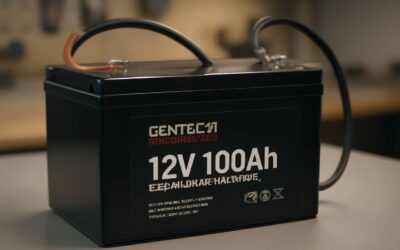
Size basics hinge on volts, amp-hours, and depth of discharge. Voltage cues the bank (12V, 24V, 48V); Ah reveals energy stored. A 12V 100Ah pack stores about 1.2 kWh for planning. The range spans caravans to home systems.
- 12V blocks: modular and ideal for caravans or small cabins
- 24V banks: balance for mid-size homes or workshops
- 48V configurations: larger systems with higher efficiency
Choosing size is about daily energy use, space, and budget. In SA, the right storage choices keep lights on during outages, proving resilience is a practical asset.
Formats and dimensions
Size isn’t merely a number; it’s the quiet engine behind resilience. In SA, where every hour of daylight counts, the hook is stark: size is power. The right choices turn sunshine into a steady heartbeat after sunset, shaping how we live when storms roll in.
Formats and dimensions for deep cycle battery sizes vary with purpose. From compact 12V blocks that tuck into caravans to ambitious 48V configurations that run larger homes, the footprint grows with capacity and chemistry. The trick is reading the datasheet like a map—height, width, depth, weight—and matching it to available space and mounting constraints.
In practice, your choice hinges on daily energy patterns, available real estate, and budget. The measurement becomes a practical compass, guiding how space meets reliability in the South African climate.
Voltage, capacity, and energy
South Africa’s dawns are bright, but the true test is what stays lit after the sun sets. Deep cycle battery sizes are the quiet engines behind that resilience, turning sunlight into a steady heartbeat after darkness. “Power is patience made tangible,” a mentor once whispered, and I watch the morning light spill across the shelves where cells sleep—the size you choose writes the tempo of your night’s pace.
Understanding deep cycle battery sizes hinges on three threads: Voltage, Capacity, and Energy.
- Voltage determines the electrical pressure that drives current through your appliances.
- Capacity tells you how much total energy is stored (measured in amp-hours).
- Energy is the usable power over time, shaped by discharge rate and temperature.
In practice, read these values as a map for your space. Height, width, depth, and weight matter as much as chemistry, guiding where a bank of cells fits in a home that endures the SA climate. The artful compromise of deep cycle battery sizes keeps the lights alive when the night closes in.
Practical sizing decisions
Across SA, outages stretch into hours, and the quiet heartbeat behind the lights is a bank of batteries. ‘Power is patience made tangible,’ a mentor once whispered, and in that spirit size choices quietly shape my nights. It’s not only volts and amp-hours; it’s about how long you can keep the fridge humming and the modem awake after sunset.
Beyond the basic specs, sizing decisions hinge on space, weight, and climate realities. A dense unit may fit in a shelved alcove; a lighter bank eases service but shortens runtime. Consider footprint, mounting, and how heat builds under the SA sun. The right balance marks the difference between a resilient dawn and a stuttering return to daylight, guided by deep cycle battery sizes.
In the end, the energy you depend on when the city goes quiet.

0 Comments