Deep cycle battery overview and U1 compatibility
What is a deep cycle battery and how it differs from starting batteries
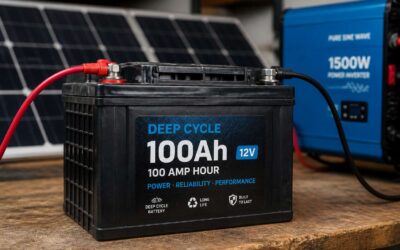
Power interruptions are the new normal in parts of South Africa, and a reliable energy reserve becomes more than a convenience—it’s peace of mind. A deep cycle battery is designed to deliver steady power over many hours, unlike the car-style starter battery that delivers a quick jolt.
A deep cycle u1 battery is built to endure repeated complete discharges and recharges, with thicker plates and slower, more forgiving chemistry. It rewards longer life and consistent performance in solar, off-grid, and backup setups, making it a smarter choice for stationary power.
- 12-volt format compatible with most systems
- Thick plates for many charge-discharge cycles
- Low self-discharge and reliable performance
U1 compatibility hinges on size and voltage; most deep cycle U1 units share a 12V format and fit common enclosures, racks, and charging profiles. Use it in caravans or boats, and you’ll often see stable output even through cloudy weeks.
U1 size and terminal types: understanding physical fit
Power interruptions have rewritten daily life in parts of South Africa, turning resilience into a daily habit. A deep cycle battery isn’t about a sudden jolt; it’s about steady, reliable energy over hours. The deep cycle u1 battery fits that mission, delivering a steady cadence of power for solar, backup, and off-grid needs. It adheres to a 12-volt format, uses thicker plates, and rewards slower, forgiving chemistry.
U1 compatibility hinges on physical fit. Most units share a 12V footprint and slide into standard enclosures and racks, with charging profiles that align to common systems. Terminal types vary, including top-post, side-post, and bolt-down lug options.
- Top-post terminals
- Side-post terminals
- Bolt-down lug connections
In caravans, boats, and home back-ups, the 12V footprint and versatile terminal styles help these units integrate smoothly.
Key terms to know when evaluating U1 deep cycle options
Power reliability stretches like a taut thread through South Africa’s daily rhythm, especially during load-shedding. A deep cycle energy partner stays steady when the lights dip—not a jolt, but a patient cadence that carries you through hours of dusk and night!
A deep cycle u1 battery is engineered for long, deliberate energy delivery. It trades a sudden surge for resilient, repeated discharges, ideal for solar, backup, and off-grid life. The 12V format remains a common thread, with thicker plates and forgiving chemistry that maximize cycle life. Compatibility hinges on physical fit and standard charging profiles, with terminal styles from top-post to bolt-down.
When selecting a deep cycle u1 battery for your installation, focus on DoD, cycle life, and charging compatibility with your energy plan.
- Voltage footprint and enclosure fit
- Terminal compatibility
- Depth of discharge (DoD) and cycle life
- Ah rating for expected runtime
Factors that influence performance and lifespan
In a land where dusk carries the weight of power outages, South African homes lean on a steady heartbeat: the deep cycle u1 battery. Across the country, households endure daily load-shedding bursts, and energy resilience is more than a convenience—it’s a quiet art.
The deep cycle u1 battery is engineered for long, patient energy delivery, trading a sudden surge for resilient, repeated discharges—ideal for solar, backup, and off-grid life. In the 12V realm, thicker plates extend cycle life, while forgiving chemistry helps it weather South Africa’s daily energy swings.
Compatibility rests on how the unit fits your space and your charger’s tempo.
- Physical footprint and enclosure protection
- Charging profiles that harmonise with solar or mains
- Expected runtime expressed through Ah vs. daily demand
Amid South Africa’s sun-drenched plains and urban gridlines, a well-muited deep cycle u1 battery becomes a steadfast companion, turning evenings into a lantern-lit voyage rather than a deadline.
U1 formatted deep cycle battery specifications and performance
Capacity ratings and amp-hour specifications for U1
Across South Africa’s sunlit ridges and townships of resilience, the deep cycle u1 battery stands as a patient steward of energy. It favors endurance over flash, storing energy so essential loads can breathe through long nights. A typical 12V battery yields roughly 420 to 480Wh, a modest reservoir that keeps essentials alive when sunshine skims the rooftops. In this realm, capacity is measured in amp-hours earned through patient discharge rather than hurried bursts.
- Nominal voltage: 12V
- Capacity (20-hour rate, C20): 35–40 Ah
- Energy: 420–480 Wh
- Cycle life (50% DoD): 600–1000 cycles
In practical planning, the amp-hour rating is typically published at the 20-hour discharge (the C20 rate). This information, paired with the battery’s 12V nominal output, translates into predictable runtimes and load management for off-grid South African installations.
Discharge depth, cycle life, and warranty expectations
Across South Africa’s sunlit ridges and resilient households, the deep cycle u1 battery stands as a patient steward of power. Discharge depth matters: at 50% DoD, a typical unit delivers roughly 600–1000 cycles, while deeper dumps erode cycle life more quickly. The 12V nominal output keeps the chemistry honest, and predictable runtimes emerge when the DoD is kept within sensible bounds, especially for off-grid installations that rely on steady, quiet energy through long nights.
- Discharge depth and cycle life
- Warranty terms and conditions
- Lifecycle milestones for off-grid systems
Warranty expectations and practical life hover over every decision about the battery. In many South African market offerings, the warranty spans 1–3 years, with longer coverage tied to proper use and adherence to recommended DoD and charging routines.
Charging profiles and efficiency for deep cycle U1 batteries
Across South Africa’s sunlit ridges and resilient homes, the deep cycle u1 battery stands as a quiet guardian of power. Its 12V heartbeat powers nights of work and warmth, turning long darkness into dependable hours of energy. The deep cycle u1 battery earns trust by delivering hundreds of cycles with steady grace, turning a storm into patience and persistence.
Charging profiles and efficiency weave a measured harmony. A bulk phase rushes to fill, the absorption phase settles the charge, and a gentle float keeps the reserve ready, with temperature compensation guiding the voltage to stay friendly in SA’s heat. When charging stays within these boundaries, the battery breathes more quietly and sustains energy longer, even through prolonged blackouts.
- Staged charging: bulk, absorption, and float sequences
- Temperature-compensated regulation for hot SA climates
- Low self-discharge with efficient round-trip energy
Voltage, impedance, and temperature effects on performance
In the quiet cadence of a solar-powered home, the deep cycle u1 battery holds a steady rhythm that outlasts the night. Resting around 12.6V, it dips with purpose under load, a signal that health is intact and power is poised for the next blackout!
- Voltage: nominal 12V with resting around 12.6V; under discharge it may approach 11.8V, depending on depth of discharge.
- Impedance: internal resistance sits in tens of milliohms and climbs with age or heat, shaping how quickly power can be drawn.
- Temperature effects: rising heat shifts charging needs; a practical rule is -3 mV per cell per °C for charging voltage compensation.
In SA’s climate, well-tuned voltage, impedance awareness, and temperature compensation keep the battery resilient, delivering steady energy when it matters most.
Applications and system integration
Residential off-grid, marine, and RV applications
In South Africa’s rural towns, a reliable off-grid setup isn’t a luxury—it’s a lifeline. A single sunny day can power a week of needs when storage is right.
For residential off-grid, marine, and RV use, the choice of a deep cycle u1 battery shapes how smoothly daily life continues, whether you’re at a remote homestead or a lakeside campsite.
- Match with the right solar controller and inverter pairing
- Design for efficient charging and safe depth of discharge
- Incorporate fusing, temperature monitoring, and easy maintenance
In marine and RV contexts, compact size and rugged mounting keep power reliable wherever the road or waves take you.
Solar and inverter compatibility with U1 batteries
Across South Africa’s rural towns, a reliable off-grid setup isn’t a luxury—it’s a lifeline. The deep cycle u1 battery quietly stores sun and powers essentials, turning one sunny day into a week of manageable needs. When storage is right, resilience follows you everywhere.
Applications and system integration hinge on solar and inverter alignment with U1 batteries, ensuring smooth daily rhythm whether on a remote homestead or lakeside site. A thoughtful match reduces drag and keeps critical loads alive through variable days.
- Controller compatibility: MPPT vs PWM options and proper wiring
- Inverter pairing: appropriate size, waveform quality, and surge tolerance
- Maintenance and safety: straightforward checks and robust protective measures
Sizing and configuring a U1 deep cycle setup
One sunny day can power a week of essentials with a properly sized system—especially in rural South Africa, where a robust deep cycle u1 battery quietly holds the line between sun and life. It’s the calm in a power storm, turning daylight into reliable hours after sundown.
Sizing and configuring a deep cycle u1 battery involves balancing load, autonomy, and equipment compatibility. Consider these factors:
- Load profile and diversity of critical versus non-critical devices
- Autonomy days and sun-hour variability across seasons
- Inverter size and interaction with the battery’s voltage and surge capacity
- Thermal effects and robust protection to extend life
When done well, the setup remains resilient through fluctuating days and keeps essential loads online without overtaxing the bank.
Safety, handling, and maintenance considerations
In rural South Africa, a deep cycle u1 battery becomes the quiet heartbeat of off-grid living, turning daylight into reliable dusk-to-dawn power. Paired with solar and a thoughtful inverter, it smooths energy ripples and keeps essential services humming—60% of off-grid homes in rural SA rely on it to stay lit.
Safety, handling, and maintenance are the guardians of longevity. Treat the unit with care to protect everyone who relies on it. Avoid sparks near vents, keep the area ventilated, and monitor charging temperatures. The following habits support lasting performance:
- Store upright in a dry, ventilated space
- Keep terminals clean and protected from corrosion
- Use manufacturer-recommended charging profiles
- Regularly inspect voltage, temperature, and cycle counts
This mindful approach ensures the deep cycle u1 battery integrates smoothly with existing solar or hybrid systems, delivering dependable power when it is most needed and reducing surprise outages for families across the Rainbow Nation.
Regulatory and environmental considerations for U1 batteries
In South Africa’s off-grid landscape, a dependable deep cycle u1 battery powers rural homes from daylight into dusk. Paired with solar and a smart inverter, it smooths energy fluctuations and keeps essential loads humming long after the sun sets.
Applications span remote homes, irrigation, clinics, and mobile towers. For system integration, matching PV array sizing, a compatible charge controller, and a capable inverter matter.
- Match charging profiles with the solar controller to maximize efficiency
- Size cables, fuses, and enclosures for SA climate and safe venting
- Monitor voltage, temperature, and cycle data for reliable operation
- Design for future expansion and easy battery replacement
Regulatory and environmental considerations for the deep cycle u1 battery in SA cover safe handling, transport, and end-of-life recycling. Work with manufacturers offering SA-compliant packaging, take-back programs, and licensed recyclers to minimize lead exposure and waste.
Maintenance, replacement, and buying guidance
Best practices to maximize lifespan and reliability
Power reliability isn’t luck; it’s the sum of deliberate choices. In the realm of deep cycle u1 battery systems, longevity hinges on consistent maintenance, thoughtful storage, and temperature-aware operation. Good practice means steady voltage checks, clean terminals, and charging that respects the battery’s chemistry rather than chasing max runtime.
Replacement timing and buying guidance unfold best when you approach them as risk management rather than impulse buys. Consider these high-level touchstones!
- Brand reputation, warranty terms, and service support for the deep cycle u1 battery family.
- Compatibility with your charging profile, inverter, and expected operating temperature.
- Trusted sourcing from reputable retailers to avoid counterfeit units and obsolete stock.
Maintenance at the edge of an electric life is a philosophy. Align your choices with durable construction, adequate warranties, and ready replacement when performance dips, and the deep cycle u1 battery reveals its quiet resilience.
Where to buy authentic U1 deep cycle options
In the quiet world of deep cycle u1 battery lifecycles, maintenance is a narrative, not a ritual. “Maintenance is the conservation of energy,” a seasoned installer likes to remind us, and the truth echoes across every installation. Longevity follows deliberate choices, especially when our charging and temperature expectations align with the chemistry.
Replacement timing becomes risk management. When usable capacity drifts or performance stalls, treat replacement as a cautious milestone rather than a triumph. Look for durable construction and solid warranties—the quiet guardians that keep the deep cycle u1 battery performing when the grid strains.
Where to buy authentic U1 deep cycle options? Seek reputable retailers and authorized channels that verify provenance and warranty. In South Africa, choose official distributors to avoid counterfeit stock and ensure ongoing service.
- Provenance and serial verification
- Clear compatibility information
- Authorized local distributors and support
Assessment of warranty, service, and support options
Maintenance for a deep cycle u1 battery is a quiet act of stewardship, not a ritual. Clean terminals, patient charging, and a temperament toward mild temperatures keep the energy ledger honest. Longevity favors deliberate care, letting chemistry unfold at its own measured, almost poetical pace!
Replacement timing becomes risk management. When usable capacity drifts or performance falters, regard replacement as a prudent milestone, not a triumph. Seek durable construction and credible warranties—the quiet guardians that keep the deep cycle u1 battery ready for the next stretch.
- Durable construction and credible warranties
- Clear terms and accessible service
Buying guidance centers on warranty, service, and support options. In South Africa, rely on official distributors to avoid counterfeit stock and secure ongoing service. The deep cycle u1 battery should pair with provenance verification and a local support network.
Cost analysis and total cost of ownership for U1 deep cycle batteries
Maintenance for a deep cycle u1 battery is a quiet vigil, not a carnival of alarms. Clean terminals, steady charging, and shelter from extremes keep the ledger honest. In South Africa, outages persist; reliable deep cycle u1 battery systems promise 25% more uptime.
Replacement becomes risk management. When capacity slips, mark the milepost as prudent, not celebratory. Seek sturdy build and clear warranties—the quiet guardians that keep the deep cycle u1 battery ready for the next stretch.
Cost analysis and total cost of ownership flow like a ledger carved in stone.
- Purchase price and availability of authentic deep cycle u1 battery models
- Projected cycle life and replacement intervals in South Africa’s climate
- Routine maintenance costs and charging efficiency
- Energy savings or incentives that improve lifetime value
Together they reveal the true cost of ownership, guiding the choice toward enduring performance.
Tips for testing and ensuring performance over time
Across South Africa’s load-shedding corridors, the deep cycle u1 battery becomes a quiet sentinel. Maintenance reads as a quiet vigil: clean terminals, steady charging, and shelter from heat or cold keep the system honest and ready for the next stretch of power needs.
When capacity wanes, replacement is risk management rather than celebration. Seek sturdy construction and clear warranties—the quiet guardians that keep your deep cycle u1 battery ready for longer journeys.
- Authentic models with traceable sourcing
- Transparent warranty terms and service support
- Proven capacity ratings and temperature tolerance
Buying guidance in this niche flows from price, availability, and after-sales care. In South Africa, evaluate fit, compatibility, and a trusted service network to ensure the deep cycle u1 battery delivers enduring performance through quiet testing across seasons. Choosing the right deep cycle u1 battery aligns with resiliency, long-term value, and tested reliability.

0 Comments